

It does not matter what is behind the door. The moment you close one, there is a cat on the other side making very clear that this is unacceptable. The closed-door hatred is so universal among cats that it borders on a defining species trait — and the reasons go right to the heart of feline psychology.
Control Over Environment Is a Core Need
Cats are territorial control freaks in the most literal sense. Access to every part of their territory is not a preference, it is a psychological requirement for feeling secure. A closed door does not just block a room — it removes agency over the environment, which triggers genuine anxiety in many cats. They need to know they can go anywhere.
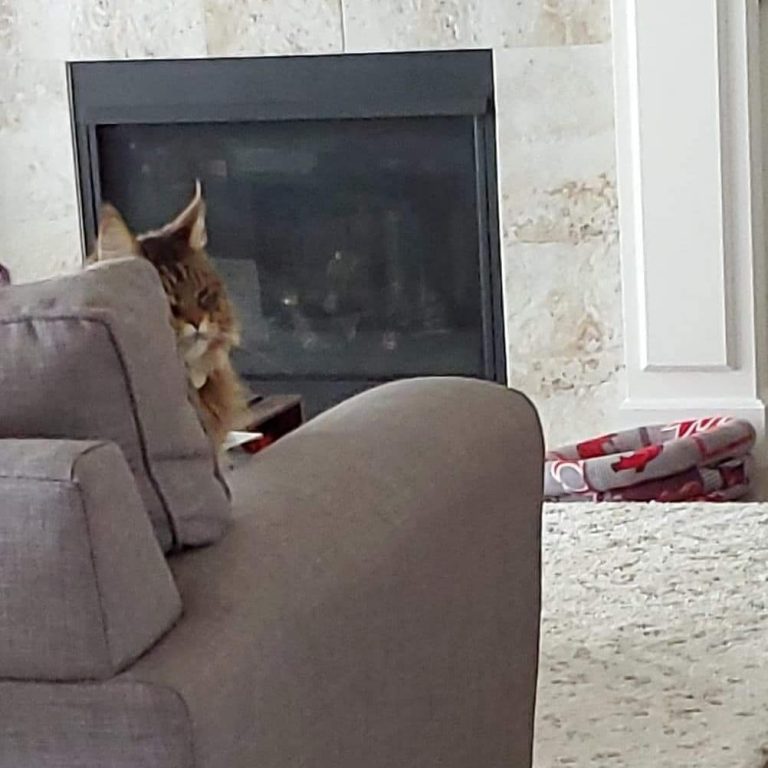
Curiosity Is Not Optional
Cats investigate everything as part of their ongoing environmental monitoring. Prey could be behind that door. A threat could be behind that door. Whatever is happening behind that door is information your cat needs. The closed door cuts off their ability to survey and understand their whole territory, which their brain processes as a gap in their safety intelligence.
FOMO Is Real in Cats
Cats who were completely uninterested in a room become urgently interested the moment the door is closed. This is real psychological "forbidden fruit" behavior — the inaccessibility itself creates desire. Cat owners worldwide have noticed that opening the door often causes the cat to glance in and walk away immediately. The goal was access, not the room.
Social Monitoring Instinct
Cats who are bonded to their owners want to know where they are and what they are doing. A closed door disrupts this. Many cats will scratch, cry, or slide their paws under the door gap specifically because they can hear or smell you and cannot reach you. It is social monitoring interrupted.
The Bottom Line
Your cat's door obsession is a combination of territorial psychology, curiosity instinct, and genuine social attachment. The simplest solution is to close fewer doors. Failing that, a cat door on bathroom and bedroom doors takes the drama down to nearly zero.