
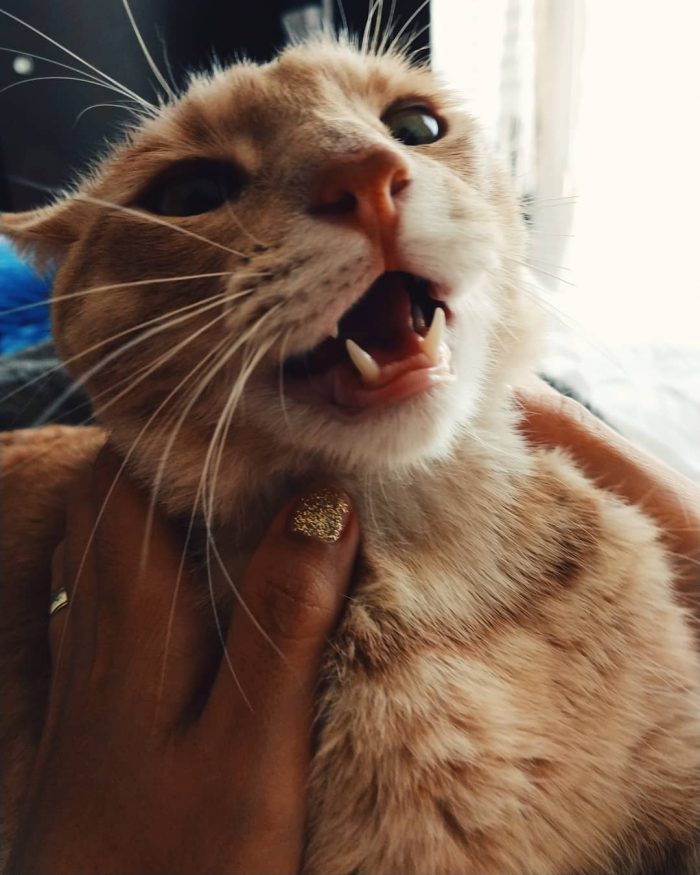
A cat arching its back is one of the most expressive and context-dependent postures in feline body language, and it can mean very different things depending on the situation. The classic Halloween-cat arch — hair raised, body sideways — is a fear and threat response designed to make the cat look as large and intimidating as possible. But a slow, stretchy back arch during a stroke or just after waking up is a sign of total relaxation and contentment.
The Defensive Arch: Making Themselves Big
When a cat feels threatened or frightened, they arch their back sharply while raising the fur along their spine — a response called piloerection — to make themselves appear significantly larger to a potential threat. The cat will also typically turn sideways to the threat, maximizing their apparent size from the predator's viewpoint. This full defensive posture, often accompanied by hissing and a puffed tail, is a last warning before the cat escalates to fighting or fleeing.
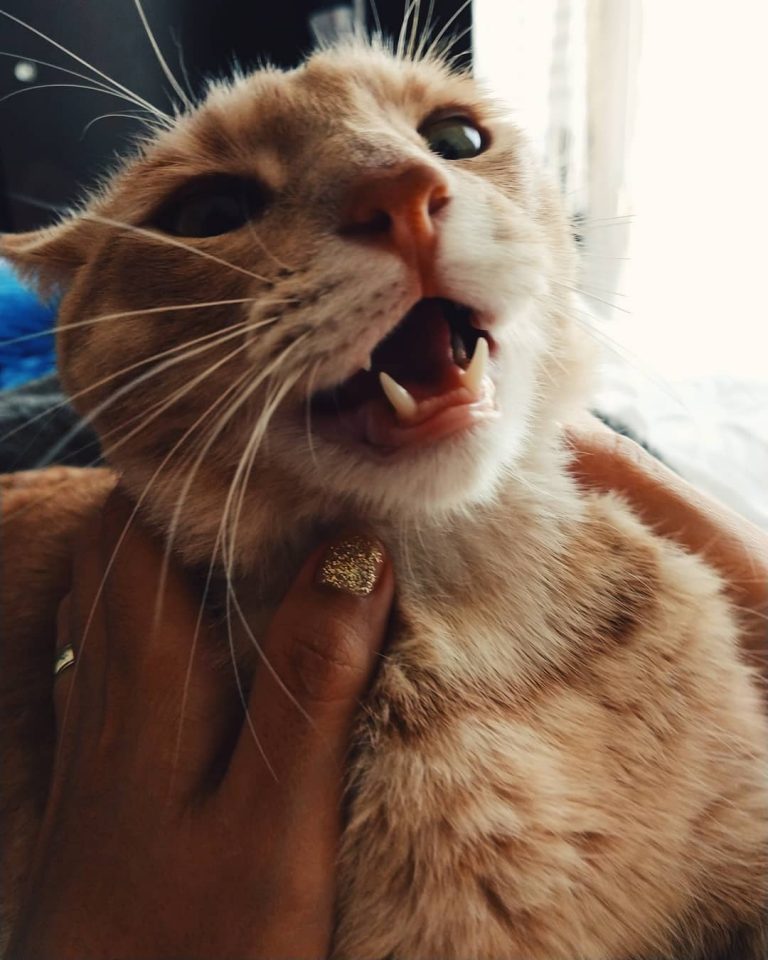
The Stretch Arch: Pure Relaxation
The long, luxurious back-arch a cat does right after waking up is one of the happiest sights in the feline world. This stretch activates and re-oxygenates muscles that have been idle during sleep and helps restore blood pressure and circulation after a long nap. Cats have remarkably flexible spines — more so than most mammals — which makes their full-body stretching arches particularly dramatic and satisfying to watch.

The Petting Arch: Leaning Into the Love
Many cats will arch their backs upward into your hand when you pet them along their spine, essentially pressing themselves harder into the stroke. This is an active expression of enjoyment — your cat is literally leaning into the sensation and asking for more pressure. It's the opposite of the defensive arch in every way: body is relaxed, fur is flat, tail may be raised, and the cat is engaged and seeking contact rather than trying to escape it.
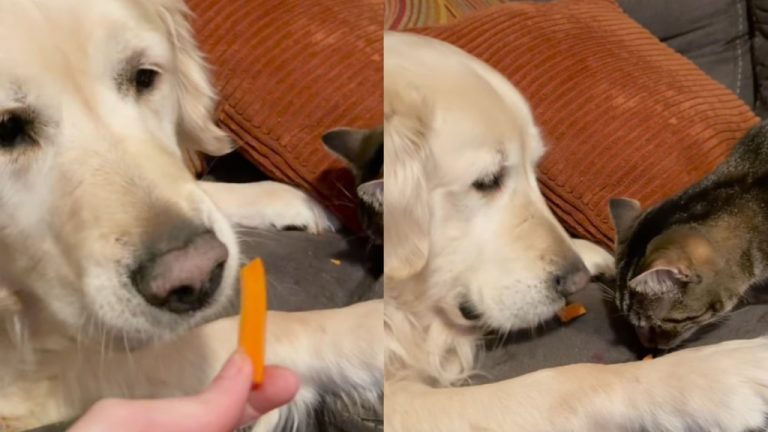
Playful Arching and the Sideways Hop
Kittens and playful adult cats sometimes combine a back arch with a sideways crab-hop when playing, especially when startling themselves or engaging in mock-combat with a toy. This exaggerated posture during play is a sign of excitement and fun rather than real fear, and it's one of the most endearing things cats do. The context makes it easy to distinguish — a playing cat will typically look alert and bouncy rather than tense and hissing.
The Bottom Line
The cat arch is a remarkably versatile posture that can signal terror, bliss, playfulness, or simple post-nap happiness depending entirely on context. Once you learn to read the accompanying signals — fur position, tail, sound, and body tension — it becomes easy to tell a frightened arch from a happy one. It's yet another reminder of just how expressive and communicative cats truly are.