

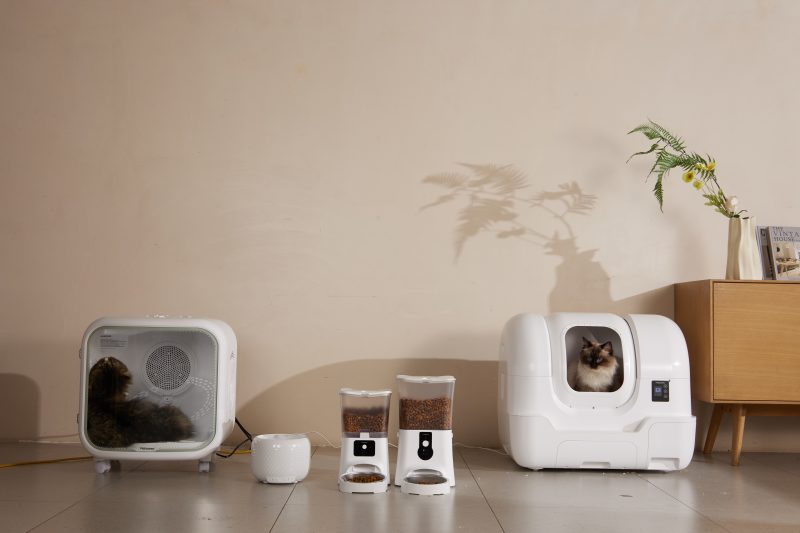
Cats are often easy to care for, but difficult to monitor. Their independence can make subtle changes in health and behavior easy to miss, while everyday changes in litter-box use, eating, and drinking may provide useful clues.
The trouble is, those small changes can be surprisingly easy to miss.
Smart pet devices are designed to make some of these daily tasks easier. But the more interesting question is whether automation can help owners keep a closer eye on their cats at the same time.
Why Cats Can Be Hard to Monitor
Cats sleep through most of the hours you’re home to observe them, and they can be surprisingly good at hiding signs of discomfort, so changes in their normal routines may be easy to overlook. Often, by the time their behaviour changes enough for a busy owner to notice, a minor issue is well on its way to being a significant problem.
The litter box can tell you quite a lot about your cat’s daily routine. Changes in how often they use it—or what you find when you scoop—may be worth paying attention to. Cat owners already know this, which is why the standard advice is to pay attention when scooping. The difficulty is that scooping is a task people do quickly, distractedly, and at inconsistent times of day, making it hard to build a reliable record of everyday patterns.

Keeping the Litter Box Clean and Making Water More Appealing
Changes in how often a cat uses the box, along with changes in urine or stool, are worth paying attention to. Most owners already know how to keep an eye on what they find while scooping. The challenge is remembering exactly what happened and when.
Was your cat using the box more often today, or did it just seem that way? Did the change start yesterday or sometime last week? An automatic litter box can help remove some of that guesswork.
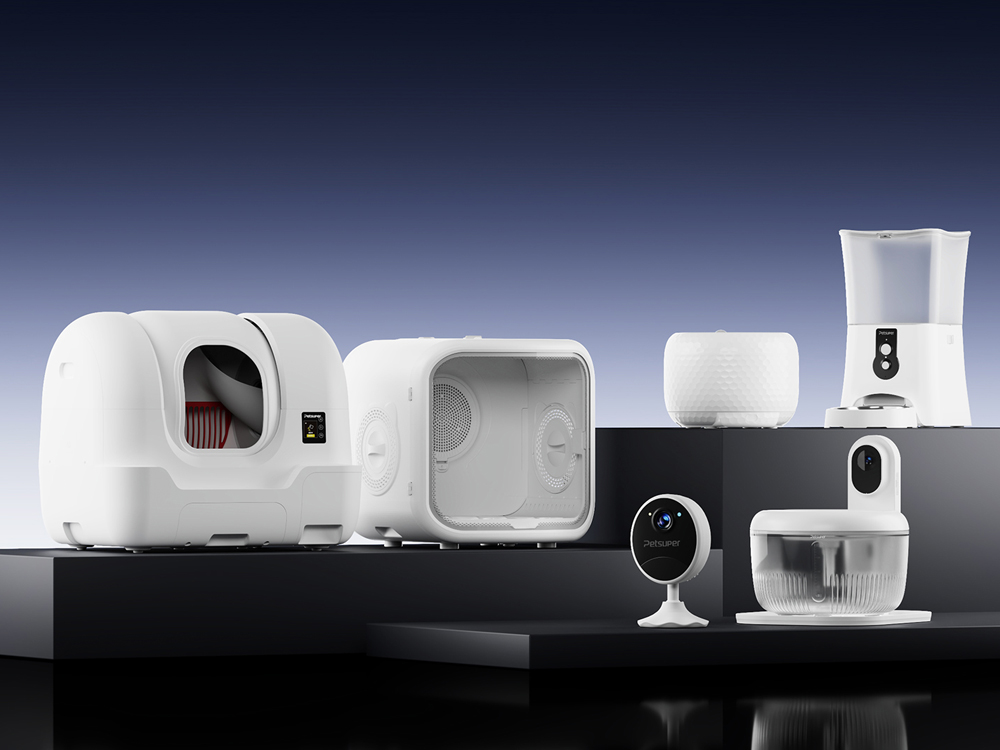
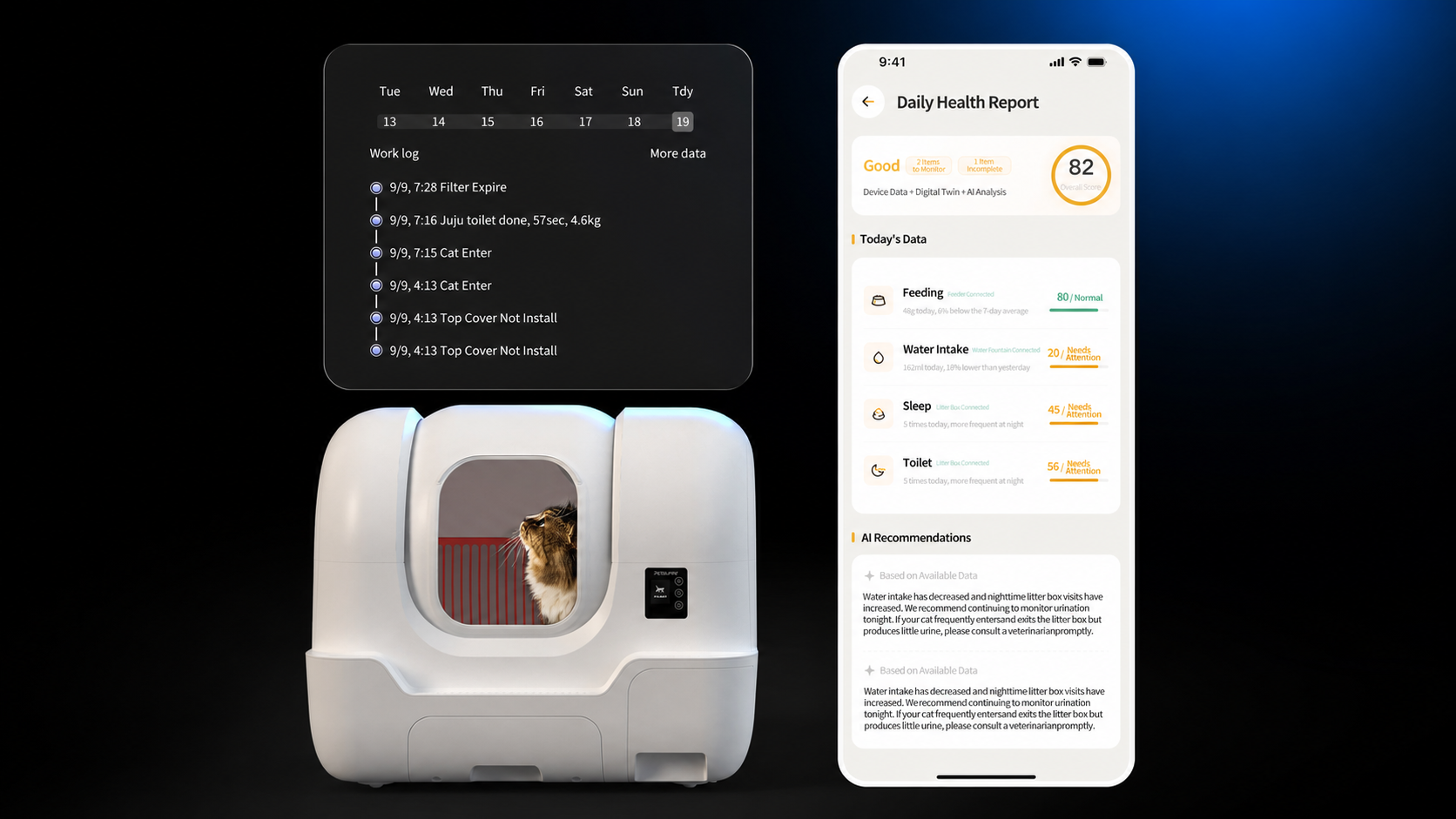
LitterGo, for example, automates scooping, waste packing and sealing, and litter refilling — helping keep the litter tray throughout the day while reducing the need for owners to manage these tasks manually. Its software also tracks usage patterns, giving owners a record they can review instead of relying entirely on memory.
Some cats can be surprisingly particular about where and how they drink. You may put a perfectly clean bowl beside their food only to find them far more interested in a dripping faucet. HydriGo uses sensor-based operation and a rechargeable battery with a wireless design that allows the fountain to be placed in different locations around the home.
It’s a relatively simple idea, but that’s often the point with cat products.
Understanding Feeding Patterns in Multi-Cat Homes
Putting food in a bowl and understanding each cat’s feeding patterns are two different things—especially in a multi-cat household. One cat may graze throughout the day while another is always waiting to finish everyone’s dinner. That can make food intake surprisingly difficult to monitor.
FeedView is designed to combine smart feeding plans and diet management with feeding data. Instead of just recording how much food was dispensed, the system uses device-based estimates to help owners understand eating patterns over time.
Telling One Cat From Another
Smart monitoring becomes more complicated when two or three cats share the same home. ViGo brings together smart hardware, behavioral data and AI-powered analysis to help distinguish individual cats, understand their daily patterns and identify changes over time. The aim is to provide useful insights into behavior and well-being, not to diagnose illness or determine a cat’s health condition.
Then there’s DryGo. Although it’s most often used with dogs, it can help owners manage occasional baths for long-haired cats through adjustable drying modes and app-based control.

What Smart Pet Technology Can and Cannot Do
Used individually, these are helpful appliances. What becomes more interesting is what happens when those devices can share information.
PetSuper’s devices are designed to work as an interconnected system rather than as completely separate appliances. Through IoT connectivity, these devices collect information about your cat’s routine, including litter box use, feeding, drinking, and other habits.
PetSuper is evolving toward a broader connected pet health ecosystem, and PetSuperAi represents its AI technology direction. The brand is exploring how smart pet hardware can turn everyday routines into useful data, and how AI-powered insights can help pet parents understand their cats, monitor patterns, identify changes over time, and make more informed decisions about their pet’s wellbeing. It’s not a substitute for veterinary care or diagnostics, but by tracking habits and alerting pet owners to changes, smart pet technology can act as an early warning system for illness and optimize feline healthcare.
See It at IFA 2026
At IFA 2026, PetSuper is offering a closer look at this evolving technology. At Booth H2.2-164, the brand is presenting its connected smart pet devices and exploring how everyday data and AI-powered insights can support a more informed approach to pet wellbeing. The Berlin show is taking place from September 4-8.
That broader focus on practical design has also received recognition beyond the pet category, including MUSE Design and Red Dot awards.

Smart Pet Tech Can’t Replace You
The best smart pet technology shouldn’t make your cat disappear further into the background.
Automating litter box cleaning, feeding, hydration, or other repetitive tasks can save owners time. But the bigger opportunity is to preserve information about what happened while you weren’t watching.
It’s not simply about doing less for your cat. It’s about spending less time on repetitive chores while having a clearer picture of their everyday life—and knowing sooner when that picture starts to change.
Images By: PetSuper
Source: www.catster.com