
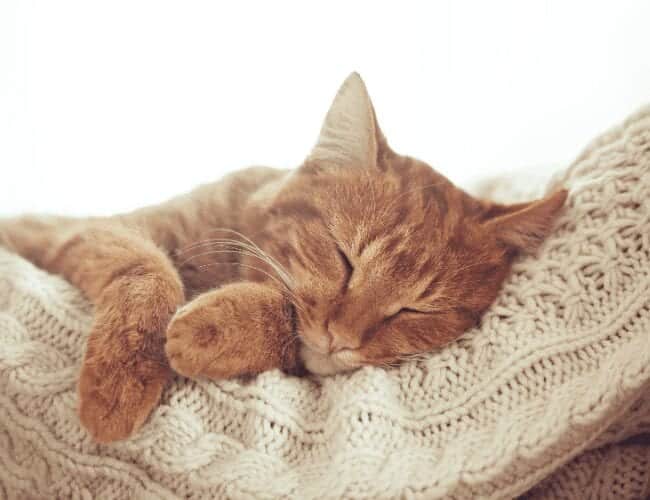
If your cat seems to spend most of the day napping, you are not imagining things — cats really do sleep between 12 and 16 hours every day, and senior cats can clock even more. This marathon snoozing is not laziness; it is deeply wired into their biology. Understanding why cats sleep so much reveals a lot about their elegant design as predators.
Cats Are Hardwired Predators
In the wild, hunting requires explosive bursts of speed and strength. Cats conserve energy between hunts with long, deep rest cycles so they are always primed for the next chase. Even domestic cats who have never hunted a day in their lives carry this same energy-management instinct.
The Crepuscular Sleep-Wake Cycle
Cats are crepuscular, meaning their natural peak activity windows fall at dawn and dusk. Between those bursts they sink into lighter "polyphasic" sleep — many short sleep periods distributed across the day and night. This is why your cat seems to suddenly tear through the house at 5 a.m. and then immediately fall asleep again.

Weather and Temperature Matter
Cats sleep longer on cold, rainy, or overcast days — and science backs this up. Researchers have found that cats mirror weather patterns in their rest behavior, likely because low-light conditions signal "poor hunting conditions" to the feline brain. Your sleepy, cloudy-day cat is just following ancient advice.

Age Changes Sleep Needs
Kittens and senior cats both sleep significantly more than healthy adult cats. Kittens use sleep to fuel rapid growth and brain development, while older cats tire more easily and recover more slowly from activity. A senior cat sleeping 18 hours a day is usually perfectly healthy.

When Too Much Sleep Is a Red Flag
A sudden increase in sleep, especially paired with decreased appetite or hiding, can signal illness, pain, or depression. If your cat's baseline shifts noticeably — more still, less interested in interaction — a vet visit is warranted. Knowing your individual cat's normal helps you spot the difference fast.

The Bottom Line
Cats sleep so much because they are exquisitely built for short, intense activity followed by efficient recovery. Far from being lazy, a well-rested cat is a healthy, happy cat. Embrace the nap — they have spent millions of years perfecting it.