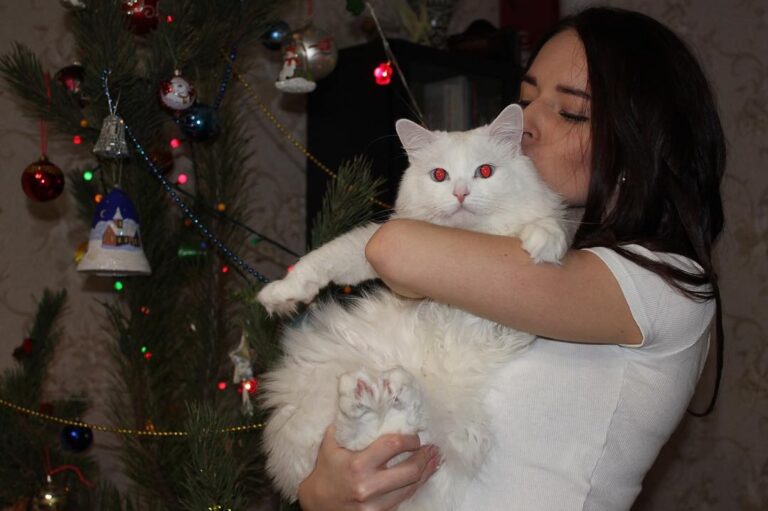
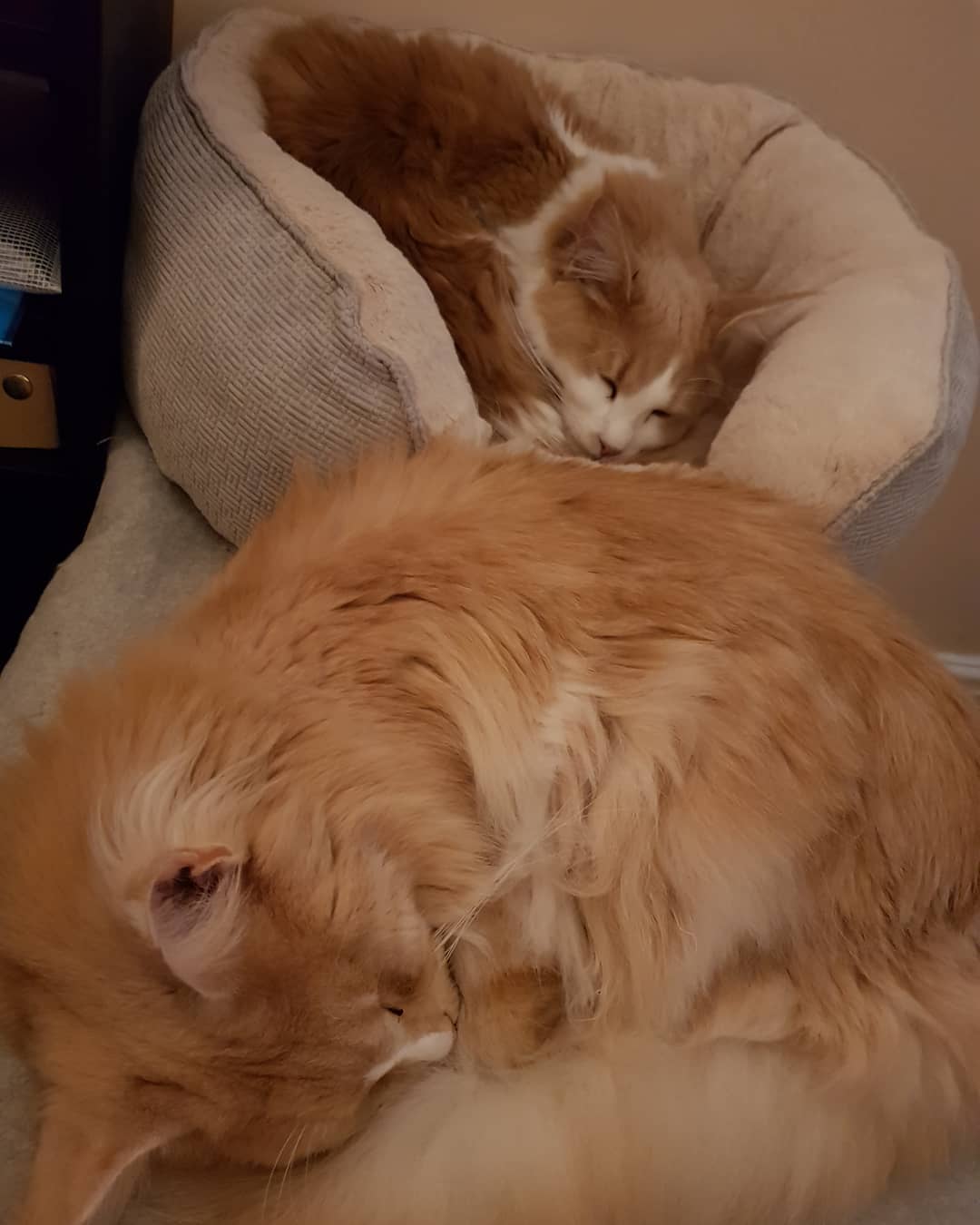
When cats groom each other — a behavior called allogrooming — it’s one of the clearest signs that they consider each other close companions and allies. Mutual grooming strengthens social bonds, helps cats reach spots they can’t easily clean themselves, and is a way of exchanging scent to create a shared group smell. If your cats regularly wash each other’s faces, you’re witnessing genuine feline friendship in action.
Social Bonding Through Grooming
Allogrooming is something cats largely reserve for individuals they truly trust — littermates, long-term housemates, and occasionally a beloved human. Studies of feral cat colonies show that cats groom their preferred social partners far more than acquaintances, making it a reliable indicator of affection and alliance. When your cat licks your hair or face, they’re essentially including you in their inner circle.
The Practical Side: Reaching the Unreachable
No matter how flexible a cat is, the top of the head and the back of the neck are genuinely hard to self-groom effectively. These are also precisely the areas cats most often groom on each other, suggesting the behavior evolved partly as a practical solution to a hygiene problem. A trusted companion can remove parasites, debris, and loose fur from spots that would otherwise go uncleaned.
Scent Blending and Group Identity
Cats that live together develop a shared colony scent through grooming, rubbing, and sleeping in the same spots. This scent profile acts like a password — members of the group recognize each other instantly and can identify any outsider who doesn’t match. By grooming each other, cats are actively reinforcing group identity and signaling “we belong together,” which helps reduce tension in multi-cat households.

When Grooming Turns Into Overzealousness
Occasionally what starts as friendly grooming can tip into one cat over-grooming or even lightly biting the other, especially if one cat is higher in the social hierarchy. This is sometimes called “social grooming gone wrong” and the recipient cat will usually just get up and walk away — a very sensible feline solution. As long as both cats seem relaxed and the behavior isn’t causing any tension or hair loss, mutual grooming is a healthy and lovely sign.
The Bottom Line
Allogrooming is one of the most touching behaviors in a cat’s social repertoire, combining practicality with genuine affection. Cats choose their grooming partners carefully, so if your cats groom each other, treasure it — it means they’ve built a real bond. And if your cat ever tries to groom you, feel honored and let them have their moment.