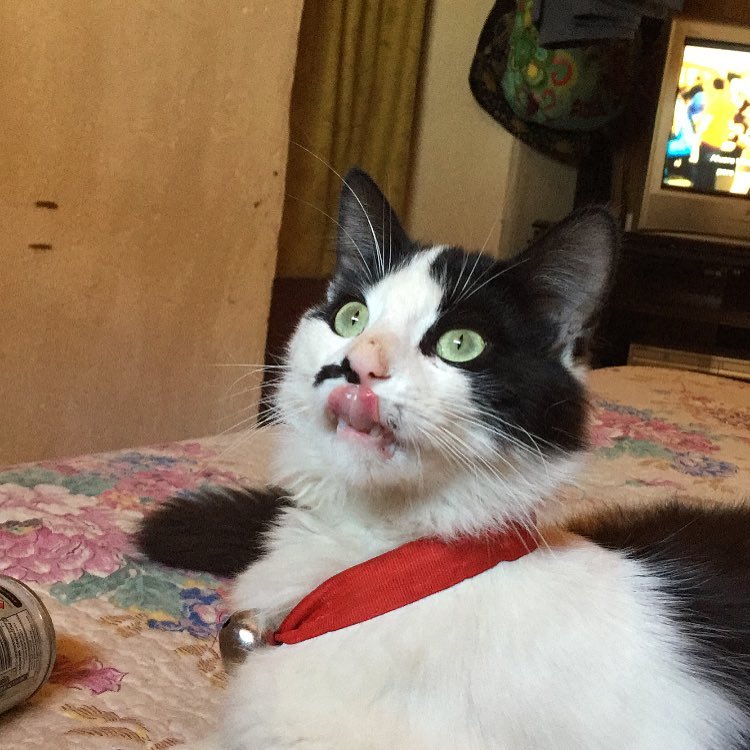
Cats spend anywhere from 30 to 50 percent of their waking hours grooming themselves, and this isn’t vanity — it’s a critical set of behaviors that serves hygiene, temperature regulation, social communication, and emotional wellbeing all at once. A cat’s tongue is a remarkably sophisticated grooming tool, covered in tiny hollow spines called papillae that work like a self-cleaning hairbrush. Far from being excessive, all that licking is actually essential to keeping a cat healthy and comfortable.
The Tongue: Nature’s Perfect Grooming Tool
A cat’s tongue is covered in hundreds of tiny backward-facing spines made of keratin — the same protein as fingernails — that are uniquely shaped to channel saliva deep into the fur. This allows cats to wet the skin beneath thick coats for cooling, detangle knots, remove loose hair, and dislodge dirt and parasites with remarkable efficiency. A 2019 study from Georgia Tech found that these spines can reach four times deeper into fur than a standard comb, making a cat’s tongue one of the most effective cleaning tools in the animal kingdom.
Grooming as Temperature Regulation
Cats don’t sweat the way humans do — they have very few sweat glands and rely heavily on evaporative cooling from saliva deposited on their fur during grooming. On a hot day or after exercise, you’ll often notice cats grooming more intensively, which is their primary mechanism for cooling down. This is also why cats groom themselves after being handled — they’re reclaiming their own scent but also resetting their body temperature.
Stress Relief and Displacement Behavior
Grooming releases endorphins and has a genuinely calming effect on cats, which is why stressed or anxious cats often groom more than usual. This is called displacement grooming — when a cat doesn’t know how to handle an emotionally charged situation, grooming gives their body and mind something familiar and soothing to do. This is completely normal in small amounts, but excessive grooming that results in bald patches or skin irritation — called psychogenic alopecia — is worth a vet visit.
When Too Much Grooming Is a Warning Sign
While grooming is healthy and normal, over-grooming can signal underlying issues including allergies, skin parasites, pain, or chronic stress. If you notice your cat obsessively licking one particular area, developing bald spots, or grooming so frequently that it interferes with eating and sleeping, these are signs worth investigating with a veterinarian. Catching over-grooming early makes it much easier to identify and address the root cause before it becomes a bigger problem.
The Bottom Line
All that meticulous licking is far more than a quirky habit — it’s a sophisticated and essential part of how cats maintain their physical and mental health. As long as your cat’s coat looks healthy and they’re not obsessively focusing on one spot, you can safely admire their dedication to personal hygiene. It’s one of the many ways cats are genuinely very impressive little creatures.