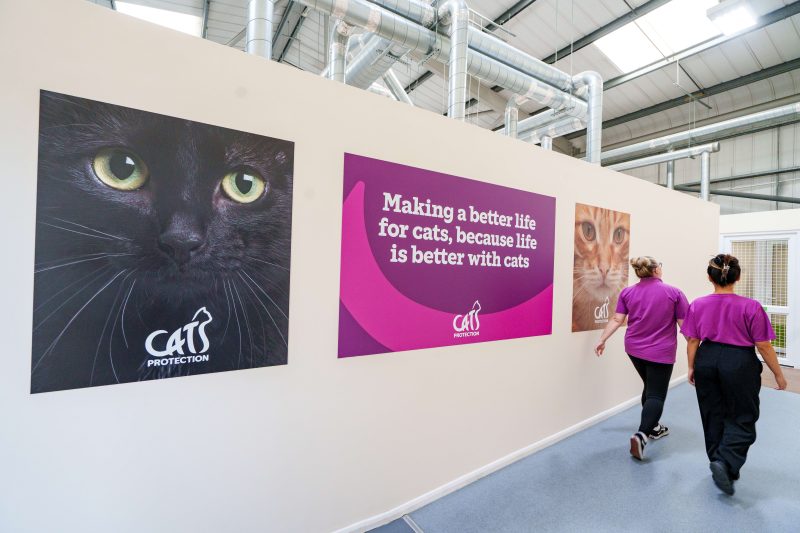
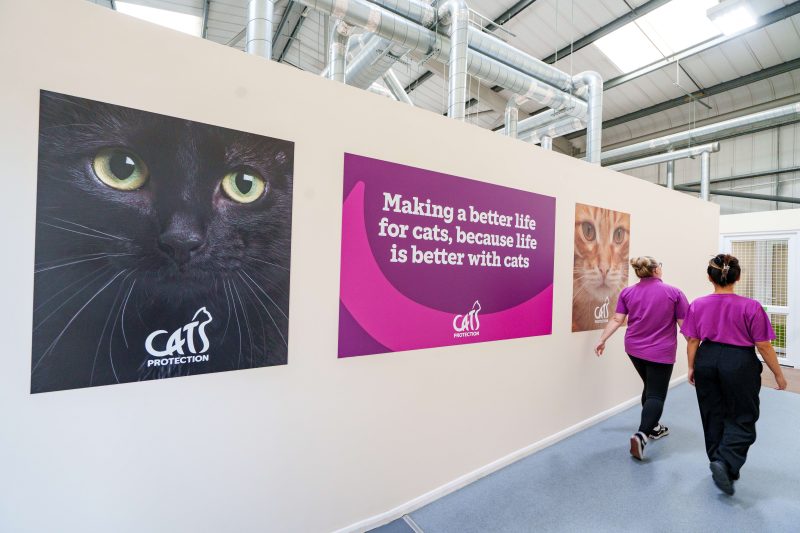
For nearly a century, Cats Protection has worked toward one simple but powerful goal: creating a world where every cat is protected, cared for, and understood.
Today, the UK charity helps thousands of cats and kittens every year through rescue, rehoming, neutering programmes, education, advocacy, and owner support. But the scale of the organization today began with a much smaller mission—and one woman who believed cats deserved far more compassion than society was giving them.

A Charity Born From Compassion
Cats Protection began life in 1927 as the Cats Protection League, born at a time when cats were rarely valued as companion animals. Many were seen simply as pests, and there was widespread ignorance about their needs and welfare. Concerned by this lack of compassion and widespread education, a group of animal lovers gathered at Caxton Hall in London on 16 May 1927 to establish an educational society dedicated to improving the status of cats.
At the heart of this movement was the founder, Miss Jessey Wade, a formidable and tireless campaigner for animal welfare. She set up the charity at the age of 60 and remained actively involved until she retired at 80, continuing her support until she died in 1952, aged 92. Her belief that cats deserved proper care and understanding continues to shape the charity’s values today.
Cats Protection exists for a simple but powerful reason: to create a society where every cat has their best possible life because they are protected, cared for, and understood. It has been working quietly and persistently to change how people see and treat cats, and the scale of that work today is as impressive as its humble beginnings.
More Than Just Rehoming
Now known simply as Cats Protection, the organization helps thousands of cats and kittens every year through a UK‑wide network of dedicated staff and volunteers. While many people know Cats Protection for its rescue and adoption work, the charity’s mission extends far beyond finding cats new homes, supporting cats and owners at every stage of life. This includes:
- rescuing and rehoming vulnerable cats
- providing advice and support to owners
- improving cat welfare through education
- promoting responsible ownership
- and helping reduce suffering through large-scale neutering programs
A major part of Cats Protection’s philosophy centers around strengthening the bond between people and their pets whenever possible.
The charity believes that by helping people understand cats better, they can help improve lives on both sides of the relationship, and when owners are properly supported and informed, many cats can remain safely in the homes they already know and love.
Each year, this approach helps hundreds of cats stay with their families, preserving that crucial bond. And, when rehoming is the right thing to do, cats are cared for with kindness and patience until they can move on to loving new homes.
Giving Every Cat Their Best Possible Life
Everything the charity does is guided by a clear strategy: giving every cat their best possible life.
That ambition is reflected in four key goals:
- 1. Ensure good welfare experiences for all sheltered cats
- 2. Improve the quality of life for owned cats
- 3. Ensure feral cats are treated appropriately
- 4. Continue developing a robust neutering programme to balance the UK cat population and prevent suffering
Neutering is one of Cats Protection’s most impactful areas of work.
Over the last two years, the charity has neutered more than a quarter of a million cats! This has significantly reduced the number of unwanted kittens being born. This work now provides a strong foundation for an increasingly scientific and targeted approach to population control.
Supporting People and Pets Together
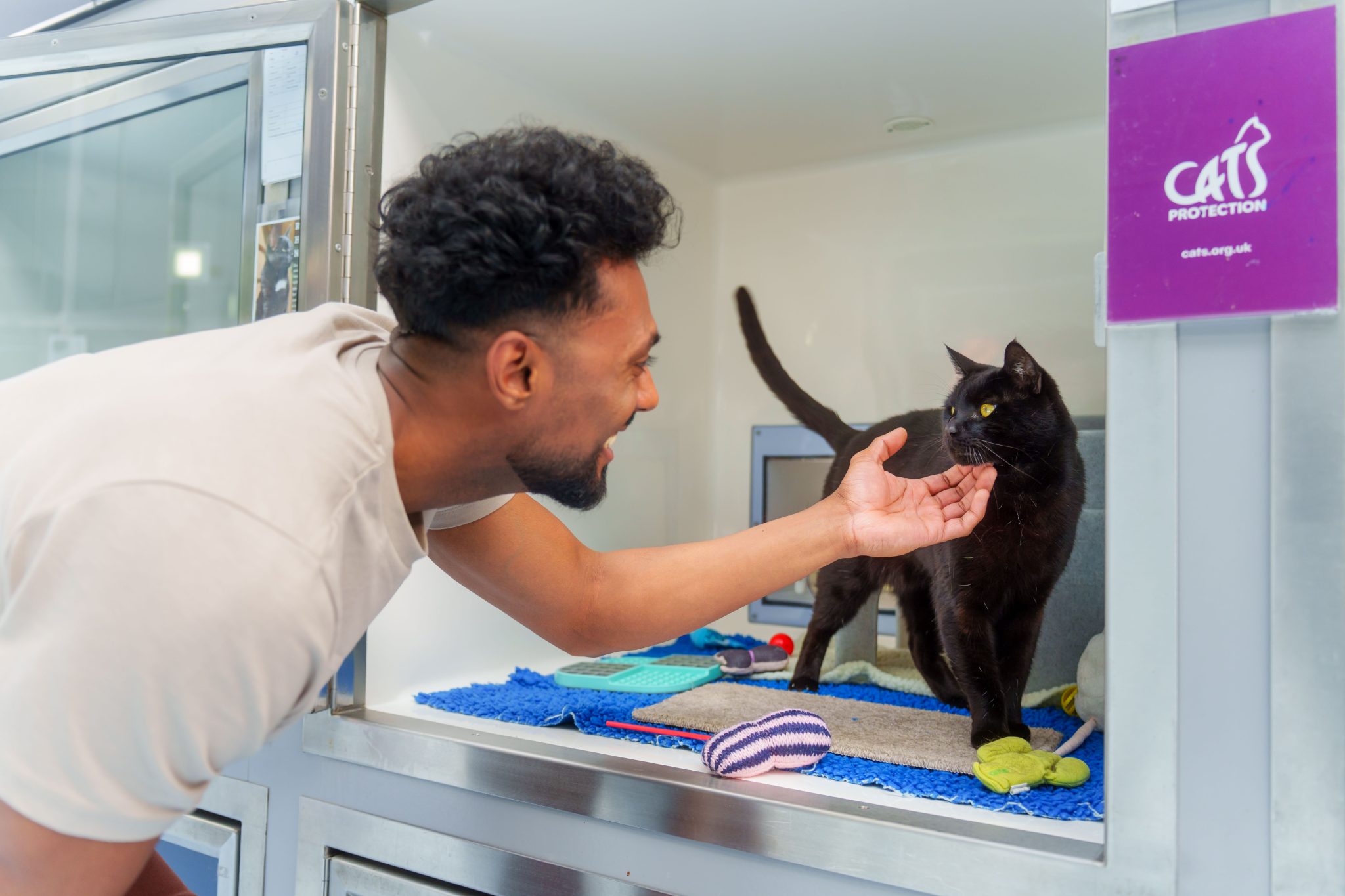
Another vital service is Lifeline, Cats Protection’s specialist fostering programme for families fleeing domestic abuse. For many survivors, the fear of what might happen to a beloved pet can be a barrier to leaving an unsafe situation. Lifeline removes that barrier by providing temporary foster homes for cats until their owners can be safely reunited with them.
In 2024 alone, Lifeline:
- expanded into Scotland and Wales,
- supported 430 cat owners
- provided foster care for 750 cats.
- recruited 370 new volunteer fosterers
- increased capacity by working with catteries across the UK, adding more than 250 additional cat pen spaces.
The service also works alongside organizations including the RSPCA and Battersea to strengthen support networks for vulnerable people and pets alike.
Helping Shape Animal Welfare Laws
Beyond direct rescue work, Cats Protection also plays an influential role in animal welfare policy and legislation throughout the UK, and in shaping public attitudes.
Over the years, Cats Protection has:
- successfully campaigned for mandatory microchipping in England
- successfully campaigned for the Pet Abduction Act
- launched The Cat Manifesto to drive policy change
- called for stronger regulation of cat breeding and pet advertising
- advocated for fireworks legislation to reduce stress and fear in cats and other animals
By controlling disease, supporting low‑income pet owners, promoting responsible ownership, and ensuring cats are treated with compassion, Cats Protection benefits society as a whole.

Nearly 100 Years Later
Almost a century after its founding, Cats Protection continues working toward the same vision Miss Jessey Wade believed in back in 1927: a kinder world where cats are valued, understood, and protected.
And while the organization has grown enormously since those early days, the heart of the mission remains remarkably simple – helping cats live safer, healthier, and happier lives alongside the people who care for them.
Source: www.catster.com