
In this article
Canada has officially become a declaw-free nation. On May 25, 2026, a new regulation was filed in Ontario under the Provincial Animal Welfare Services Act, prohibiting non-therapeutic declawing in cats. The regulation, which comes into force on January 1, 2027, allows the procedure only when a veterinarian determines it is necessary to treat an injury or disease. With Ontario being the last Canadian province where elective declawing remained legally permitted, the change closes the final gap in a nationwide shift toward stronger protections for feline welfare.
Why Declawing Became an Animal Welfare Issue
For many years, declawing was commonly performed to prevent cats from scratching furniture or unwary humans. Today, however, veterinary professionals and animal welfare organizations view the procedure very differently.
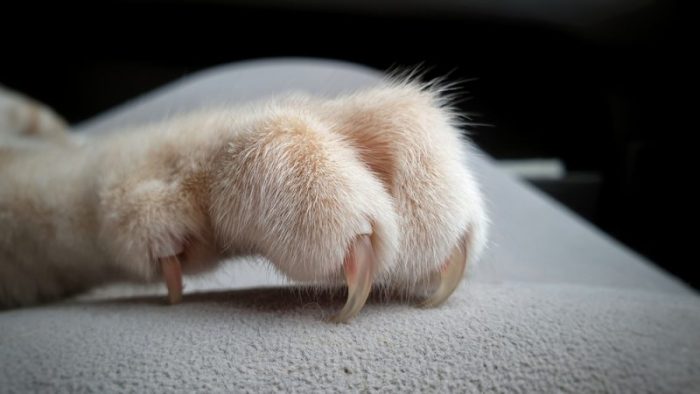
Declawing, or onychectomy, is not the equivalent of a manicure or nail trim. The surgery involves amputating the last bone of each affected toe, which is the same bone from which the claw grows. Because a cat’s claws are closely connected to normal movement and behavior, removing them permanently changes the anatomy of the paw. Research has associated declawing with chronic pain, altered gait mechanics, back pain, and an increased risk of behavioral changes in some cats1.
As veterinary understanding of pain management, feline behavior, and long-term welfare has evolved, support for elective declawing has steadily declined. The Canadian veterinary community has largely moved away from the procedure, with most provinces already restricting it, long before Ontario’s decision2.
More Than Just Scratching
To understand why this change matters, it helps to consider the role claws play in a cat’s daily life.
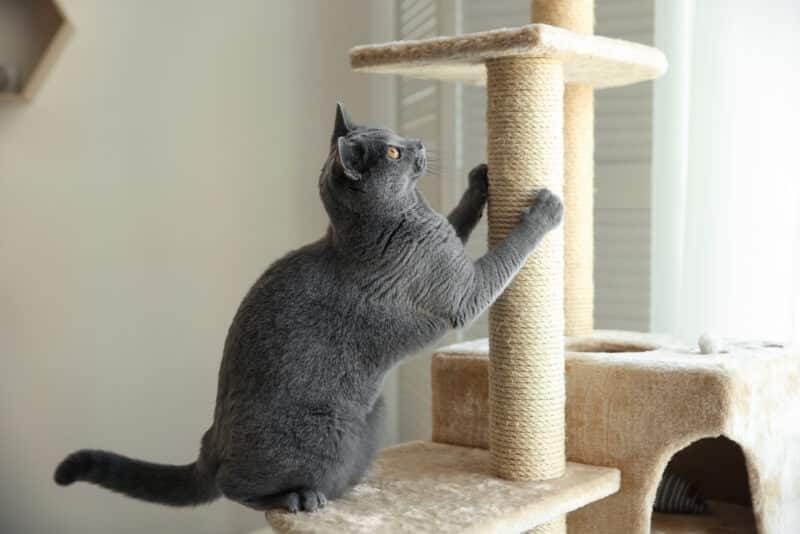
Cats use their claws for far more than just defense. Scratching helps maintain claw health, stretch muscles, communicate through visual and scent markings, and provide stability during climbing and movement. It is a normal feline behavior, not a behavioral problem.
When scratching causes challenges in the home, veterinarians and feline behavior specialists generally recommend management strategies rather than surgery. Appropriate scratching surfaces, regular nail trims, environmental enrichment, and positive reinforcement can often address concerns whilst allowing cats to express natural behaviors.
This shift reflects a broader trend in companion animal medicine. Increasingly, veterinary professionals are looking for ways to adapt the environment to the animal rather than surgically altering the animal to fit the environment.
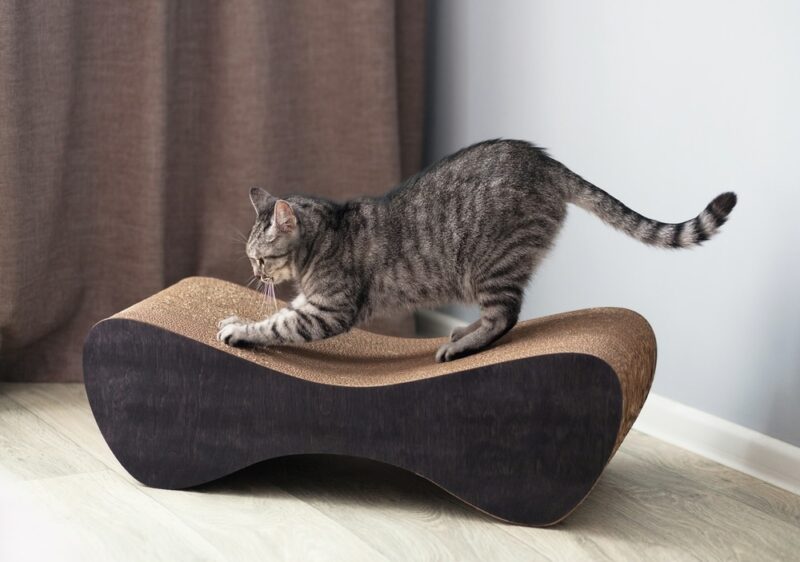
One of our preferred scratchers, the Hepper Hi-Lo Modern Cat Scratcher, is a surefire way to keep your kitty out of trouble (or at least away from scratching the things they should not!). It’s not only stylish, but it’s functional as well. It’s made of sturdy cardboard with a durable plywood and metal frame and can be set up in three different ways – high, low, or lower. The different positions encourage maximum engagement, exercise and stretching, and of course, intense scratching (they can throw their whole body into it).

- Premium Materials – Hepper’s cardboard scratcher is made with dense, B-flute cardboard, and a metal…
- High, Low and Lower – A single cat scratch pad won’t keep your cat engaged. 3 unique positions keeps…
- Activates Muscles – The Hi Lo isn’t just a cat nail file to stop the chief cat couch scratcher. The…
With the Hepper Hi-Lo, your cat gets to have a blast scratching like a maniac, and you don’t have to worry about them causing so much chaos or scratching your stuff. There are even replacement cardboard pieces available, so you really can let your cat go to town on this, and know that it will be long lasting. Click here to learn more about this awesome scratcher.
At Catster, we’ve admired Hepper for many years, and decided to take a controlling ownership interest, so that we could benefit from the outstanding designs of this cool cat company!
What the New Regulation Allows
Ontario’s regulation does not create a complete prohibition on claw removal procedures. Veterinarians may still perform declawing when it is medically necessary to treat an injury or disease, provided that the reason is documented in the patient’s medical record. The same medical exception applies to other procedures included in the regulation.
These exceptions are important from a clinical perspective. Severe trauma, certain cancers affecting the digits, chronic infections, or other serious medical conditions may occasionally require surgical removal of a claw-bearing toe to preserve a cat’s health and comfort. In those situations, the procedure is performed as treatment for disease rather than for convenience.
This distinction is central to modern veterinary ethics. Procedures that remove healthy body structures are increasingly expected to provide a clear medical benefit to the animal rather than meeting aesthetic preferences.
Part of a Larger Change in Companion Animal Welfare
The new Ontario regulation also restricts canine devocalization and ear cropping unless medically necessary. Animal welfare organizations have welcomed the changes as part of a broader movement away from cosmetic and convenience-based surgical procedures in companion animals.
For cat owners, this milestone is ultimately about preserving normal feline behavior. Scratching is as natural to cats as barking is to dogs. It serves important physical and behavioral functions that contribute to overall well-being.
Canada’s transition to a declaw-free nation reflects decades of changing attitudes within veterinary medicine and animal welfare. Rather than viewing normal animal behaviors as inconveniences to be surgically removed, the focus has increasingly shifted toward understanding those behaviors and finding humane ways to live alongside them.
For veterinarians, the regulation reinforces a principle that has gained momentum across the profession: medical procedures should be performed because they benefit the patient. For cats, it means future generations are more likely to keep the claws they need to move, communicate, play, and interact with the world around them. Way to go, Canada!
Feature Image Credit: RJ22, Shutterstock
Did You Know?
- Our brand-new posts are rounded up and included in our weekly emails. Don’t miss out on the latest – sign up for our newsletter below!
Source: www.catster.com