Cats first began interacting with humans over 10,000 years ago, but they can still be a mystery, especially when it comes to health and aging. Given the feline reputation for being aloof and a bit standoffish, it can be difficult to figure out when they are sick or aging.
Quite often, by the time a cat’s illness is detected, it may be advanced and challenging to treat. Likewise, a cat’s aging process isn’t always obvious. We might see physical signs of aging, such as decreased mobility, but numerous invisible age-related changes are occurring at the molecular level.
Modern veterinary science is harnessing knowledge of these molecular changes to help cats not just live longer lives, but healthier ones, too. In this article, we’ll delve into the inner workings of feline aging, introduce the concept of feline geroscience, and highlight how nutritional support and other health-related strategies promote feline longevity and health.

Aging We Can See
With good health and veterinary care, cats can live long lives. The average feline lifespan is about 12 to 14 years,1 although cats can live into their late teens or even early 20s.
Body condition plays a major role in a cat’s lifespan, with obese and overweight cats living shorter lives than cats with an ideal body condition score (5 out of 9). As with people, cats that carry excess weight are more prone to chronic health issues, such as arthritis and diabetes, that can decrease both quality of life and lifespan if not managed well.
As cats age, there are recognizable changes to their behavior and bodies. For example, older cats may have reduced mobility due to arthritis, making it harder for them to engage in physical activities like climbing, jumping, and playing.
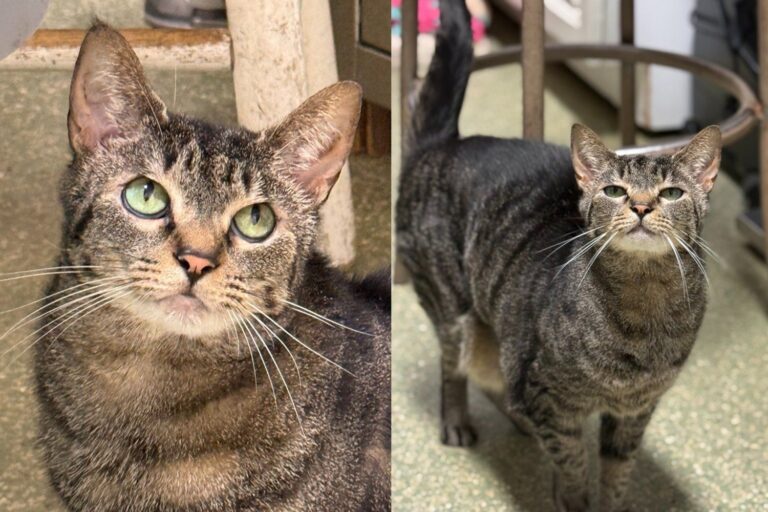
Older cats often look a little worse for wear because of reduced grooming. If arthritis has stiffened their joints, they may not be flexible enough to groom as well as they used to. Also, if they feel crummy because of chronic illness, they won’t feel like grooming at all.
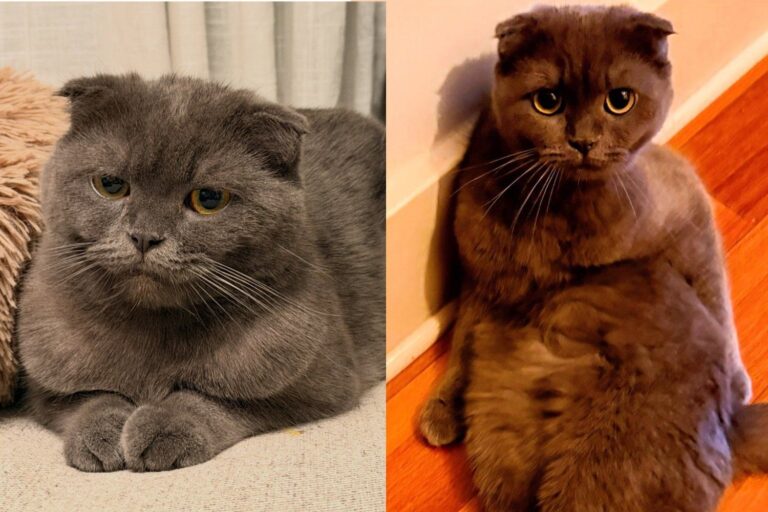
Older cats sometimes develop cognitive decline, which manifests itself in numerous ways: staring blankly into space, no longer recognizing familiar people, increased vocalizing, and disrupted sleep patterns.
Invisible Aging In Cats
When it comes to feline aging, there is more than meets the eye, and changes happening at the molecular level influence what we see on the outside. These molecular changes are known collectively as the 12 Hallmarks of Aging,2 a concept that originated in human medicine but can be applied to animals as well. The molecular changes are listed below:
- Inflammaging: the combination of inflammation and aging
- Telomere attrition: shortening of the ends of DNA
- Cellular senescence: cessation of the cell cycle
- Genomic instability: accumulation of DNA damage
- Loss of proteostasis: proteins no longer fold correctly
- Stem cell exhaustion: the body’s store of precursor cells runs out
- Epigenetic alterations: DNA structure is modified
- Disabled macroautophagy: cells can’t get rid of waste properly
- Mitochondrial dysfunction: the powerhouses of the cell stop functioning well
- Deregulated nutrient sensing: cells no longer properly respond to nutrients
- Altered intercellular communication: cells no longer communicate with each other properly
- Dysbiosis/gut-microbiome imbalance: Imbalance of the collection of microorganisms in the gut
Don’t worry if your eyes are glazing over after reading this list. What’s most important to remember is that millions of invisible aging changes are happening in your cat’s body, right now.
So, what can we do about it?
La Petite Labs is a pet wellness company that is designing supplements to target the hallmarks of aging in pets. They formulate their products using rigorous scientific data from nutrition, pharmacology, and modern veterinary science. Every active ingredient is listed in its exact amount, with a certificate of analysis for every lot, and no ‘proprietary blends’ that hide ingredients and doses.
Veterinary Geroscience
If the term ‘geroscience’ has yet to enter your vocabulary, you’re not alone. Geroscience is the field of study that investigates how chronic disease and aging overlap. Its goal is to target molecular aging changes to improve healthspan – the number of disease-free years.3,4
Geroscience originated in human medicine and has recently gained traction in the veterinary world. Although veterinary geroscience is in its infancy, it represents a paradigm shift in modern veterinary care.
The traditional approach to managing feline care is reactive and disease-centric, focusing on one disease or body system at a time. This approach is a bit like playing whack-a-mole; targeting health problems as they arise rather than identifying the changes occurring upstream that contribute to disease formation.
Veterinary geroscience challenges this reactive strategy by taking a proactive approach to pet care and aging. Targeting the molecular causes of aging early in a pet’s life can help delay the downstream onset of disease and decline, helping a cat enjoy more disease-free years.
By developing products that target the hallmarks of aging, La Petite Labs is at the forefront of applying veterinary geroscience to the real world, helping pets live their longest and healthiest lives.

Nutritional Management In The Aging Cat
Although data on feline geroscience is still limited, numerous studies have demonstrated that nutrition plays a key role in cats’ lifespan and healthspan.
Caloric restriction
Caloric restriction can benefit the aging cat in several ways. Promoting the maintenance of their ideal weight and body condition score can significantly improve a cat’s chances of living a long, healthy life.5
Caloric restriction also promotes positive changes to the intestinal microbiota, the collection of beneficial microorganisms in a cat’s digestive system. Microbiota play a key role in nutrient absorption and overall healthy digestion, benefitting the entire body.
Additionally, restricting calories can affect the way the body responds to inflammation. Chronic inflammation is a major driver of chronic age-related disease, so targeting inflammation through nutrition can positively impact a cat’s health as they age.
Supplementation
Veterinary supplements have gained significant traction in recent years by promoting health and overall well-being in our pets through nutrition, in part by targeting several hallmarks of aging.
Studies have shown how antioxidant supplementation can benefit aging cats. Antioxidants like beta-carotene and vitamins C & E improve cellular health by targeting oxidative stress, a molecular process that contributes to aging by damaging cells.6 Additionally, supplements containing omega-3 & omega-6 fatty acids along with dried chicory root have been associated with increased longevity, disease reduction, and improved intestinal health.7
Hollywood Elixer®
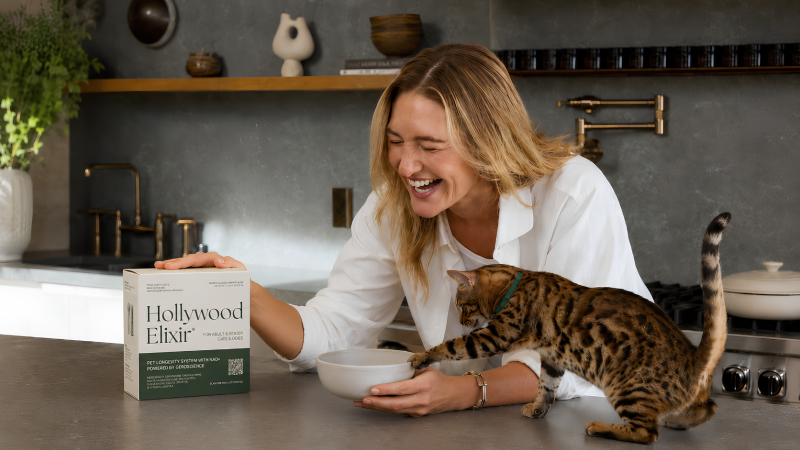
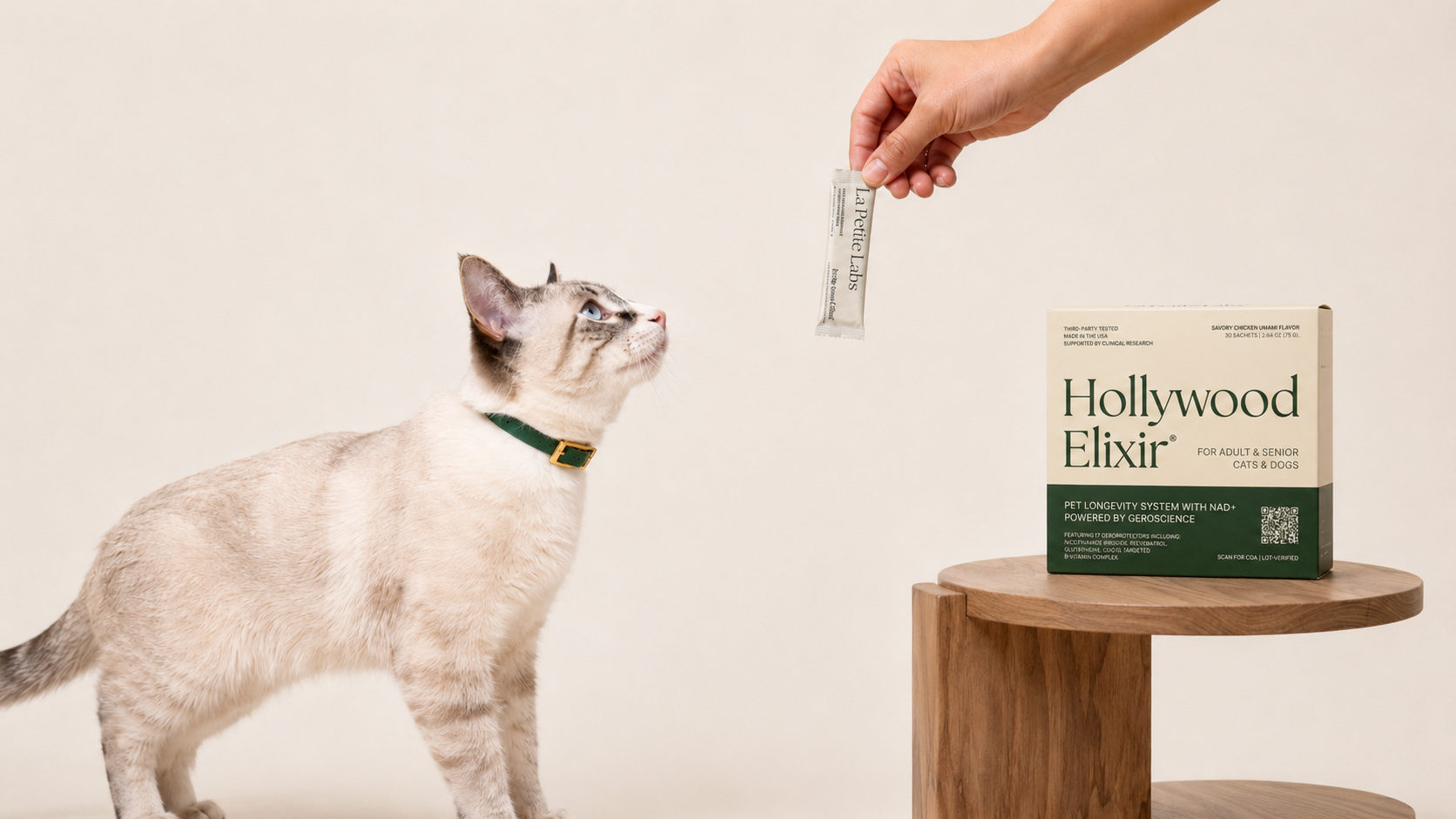
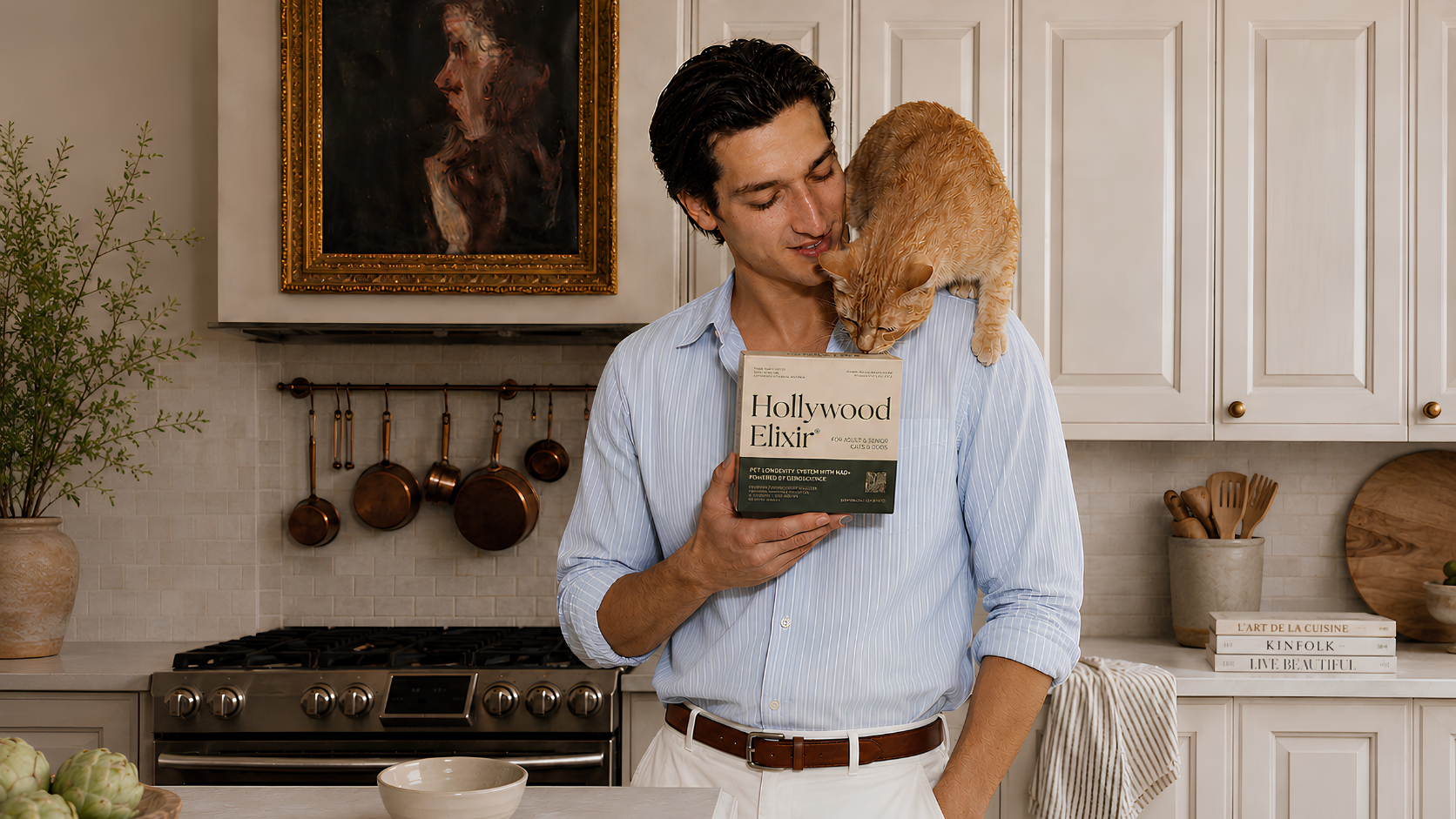
Produced by La Petite Labs, Hollywood Elixir® is a nutritional supplement formulated around the hallmarks of aging, simultaneously targeting inflammation, oxidative stress, and cellular energy.
Something that consistently declines with age is NAD+, an essential molecule for cellular energy production. To help combat this, Hollywood Elixir delivers nicotinamide riboside, a specific form of vitamin B3 (niacin) and a precursor to NAD+. In addition, Hollywood Elixir also contains ingredients such as Vitamin B6 and CoQ10 to support cellular energy.
Strategies To Promote Healthy Aging
Of course, nutritional management is just one piece of the puzzle – albeit an important one – and other strategies are needed to more effectively address the molecular drivers of feline aging.8
Physical activity has numerous benefits, including reducing inflammation, enhancing cells’ sensitivity to insulin, and improving mitochondrial activity.
Environmental enrichment, such as food puzzle toys and hide-and-seek games, nurtures feline hunting instincts, engages the mind, and helps preserve brain function, delaying the onset of cognitive decline.
In this constantly growing field of geroscience, various drugs are currently being studied that specifically target cellular senescence, but for now, scientific data supporting their efficacy is scarce.
Bringing It All Together
Cats age in many ways that we cannot see. Veterinary geroscience research is investigating the molecular signs of aging in cats, empowering veterinarians and pet parents to shift from a reactive to a proactive approach to managing feline aging.
La Petite Labs also uses this proactive approach to formulate clinically backed and rigorously tested products that target the hallmarks of aging in pets.

Proactive Pet Care
We can’t stop old age – not yet anyway – but with every scientific discovery and breakthrough, we are empowered to play a more proactive role in preventing disease and promoting good health.
Work closely with your veterinarian to provide your cat with optimal nutritional support, starting early and continuing through their golden years. Take them for regular wellness checks, particularly as they get older, because prevention and early detection save lives. Maintain a daily routine of physical activity and cognitive enrichment, and don’t ever stop wanting the best for your pet.
Cats are our family members. We love their quirks and want to do everything we can to help them remain mobile, curious, and independent throughout their lives.
- Montoya M, Morrison JA, Arrignon F, Spofford N, Charles H, Hours M-A and Biourge V (2023) Life expectancy tables for dogs and cats derived from clinical data. Front. Vet. Sci. 10:1082102. doi: 10.3389/fvets.2023.1082102.
- López-Otín C, Blasco MA, Partridge L, Serrano M, Kroemer G. Hallmarks of aging: An expanding universe. Cell. 2023 Jan 19;186(2):243-278. doi: 10.1016/j.cell.2022.11.001. Epub 2023 Jan 3. PMID: 36599349.
- Fekete M, Major D, Feher A, Fazekas-Pongor V and Lehoczki A (2024), Geroscience and pathology: a new frontier in understanding age-related diseases. Pathol. Oncol. Res. 30:1611623. doi: 10.3389/pore.2024.1611623.
- McKenzie BA. Comparative veterinary geroscience: mechanism of molecular, cellular, and tissue aging in humans, laboratory animal models, and companion dogs and cats. Am J Vet Res. 2022 May 8;83(6):ajvr.22.02.0027. doi: 10.2460/ajvr.22.02.0027. PMID: 35524953.
- Opetz DL, Oba PM, Lin CY, Ren P, Swanson KS. Restricted feeding of weight control diets induces weight loss and affects body composition, voluntary physical activity, blood metabolites, hormones, and oxidative stress markers, and fecal metabolites and microbiota of obese cats. J Anim Sci. 2024 Jan 3;102:skae335. doi: 10.1093/jas/skae335. PMID: 39485233; PMCID: PMC11643353.
- Jewell DE, Motsinger LA, Paetau-Robinson I. Effect of dietary antioxidants on free radical damage in dogs and cats. J Anim Sci. 2024 Jan 3;102:skae153. doi: 10.1093/jas/skae153. PMID: 38828917; PMCID: PMC11185959.
- Cupp CJ, Jean-Phillippe C, Kerr WW, Patil AR, Perez-Camargo G. Effect of nutritional interventions on longevity of senior cats. Intern J Appl Res Vet Med. 2006;5(3):133-149.
- Oh WS, Armstrong PJ. Geroscience and aging interventions in dogs and cats: from mechanisms to clinical care. J Vet Sci. 2025 Sep 17;26(Suppl 1):S157–80.
Source: www.catster.com