Cats have a reputation for being indifferent, even inscrutable. But despite their seemingly ambivalent appearance, cats experience many emotions, including happiness, and they express those emotions in ways that are quite readable once you know how. The challenge is that feline emotional expression does not always look the way people expect it to.
Understanding what a content cat actually looks and sounds like makes it easier to know when things are going well, and when something might be off.
Do Cats Actually Feel Happiness?
Cats have emotional systems that trigger specific behavioral and physiological responses, much like other mammals. The word emotion in this context refers to something slightly different from the complex and confusing array of human feelings, but the core positive emotional states, including contentment and pleasure, are something all felines experience. Cats may not show happiness the way a dog does, with wagging tails and obvious enthusiasm, but the signals are there.
The Signs Of A Happy Cat
Purring
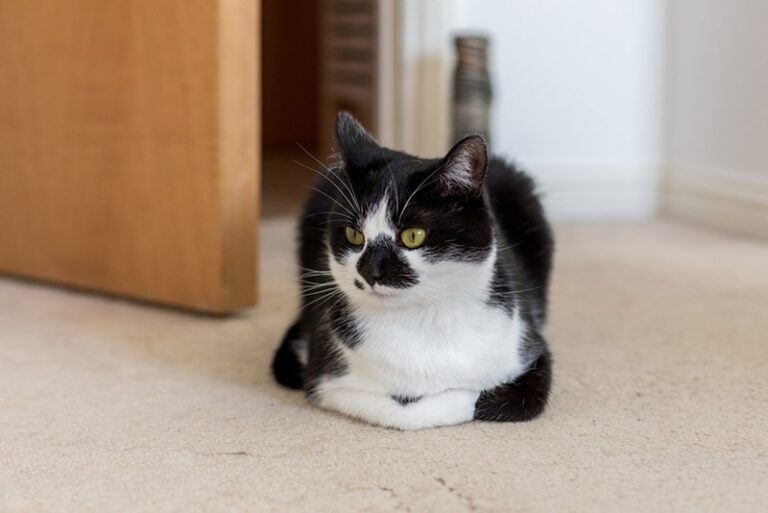
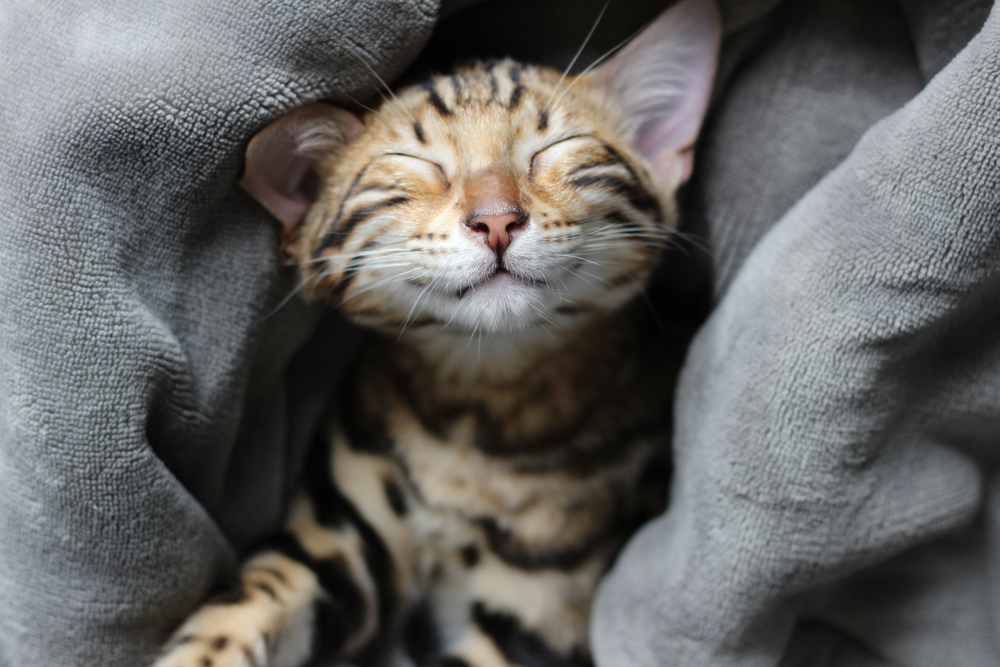
Purring is the most recognized indicator of feline contentment. Although cats do sometimes purr as a way of self-soothing in response to stress or pain, the vast majority of purring happens when a cat is relaxed, at ease, and arguably, happy. A cat lounging in a comfortable spot, eyes soft, body loose, and purring steadily is about the clearest picture of feline happiness there is.
The Slow Blink
Slow blinking is another subtle yet positive signal. When a cat makes direct eye contact and blinks slowly, it is expressing trust and affection; sometimes referred to as a kitty kiss. It tends to be directed at people or other animals the cat feels genuinely comfortable around. Returning the slow blink is generally well received.
Making Biscuits
Kneading, the rhythmic paw-pushing motion cats perform on soft surfaces, is also associated with contentment. The behavior, often referred to as ‘making biscuits’, starts at birth, when kittens knead on their mother to stimulate milk flow. The physical action becomes permanently linked to feelings of comfort and security, and many cats continue making biscuits their entire lives. A cat that kneads while settled beside someone (or on their lap) is expressing a version of that same feeling.
Meow!
Vocalizing in a relaxed, conversational way is another positive sign. Some cats are naturally more talkative than others, but a cat that approaches and meows while making eye contact is typically looking to engage rather than communicate distress. Cats that feel comfortable with their owners often seem to enjoy back-and-forth exchanges, responding when spoken to in a calm tone.
Telltale Tail
Most people recognize the rapid swish of an angry tail, but this highly mobile appendage can also convey other emotional states, including alertness, fear, focus, curiosity, and pleasure. When a cat rubs against your legs with their tail held high, they are giving you the warmest of greetings. Sometimes that tail will even shiver and quiver, a clear sign of happiness, excitement, and anticipation.
Playtime
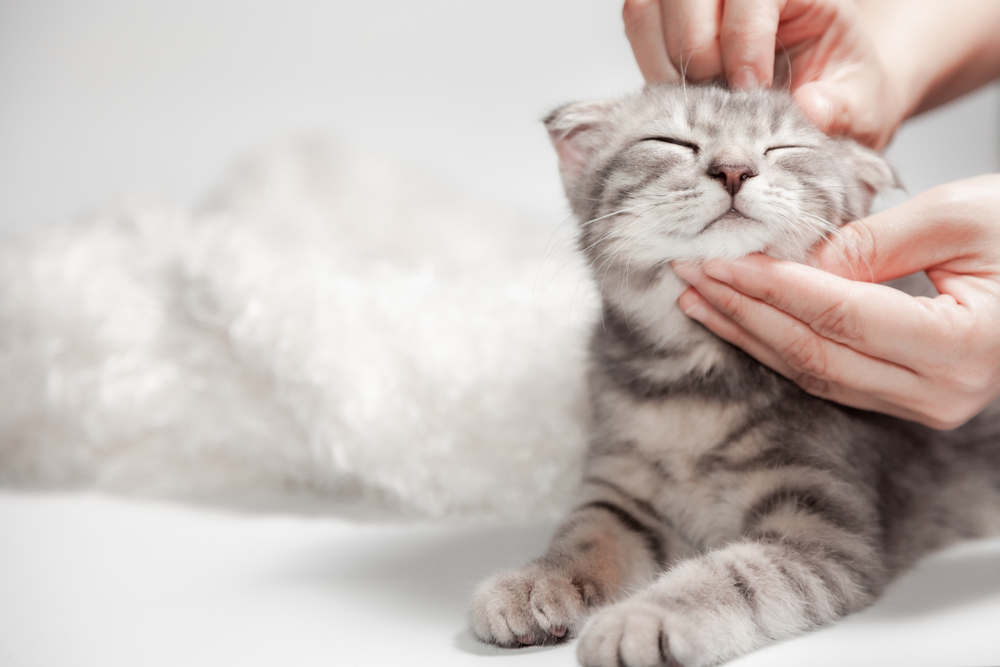
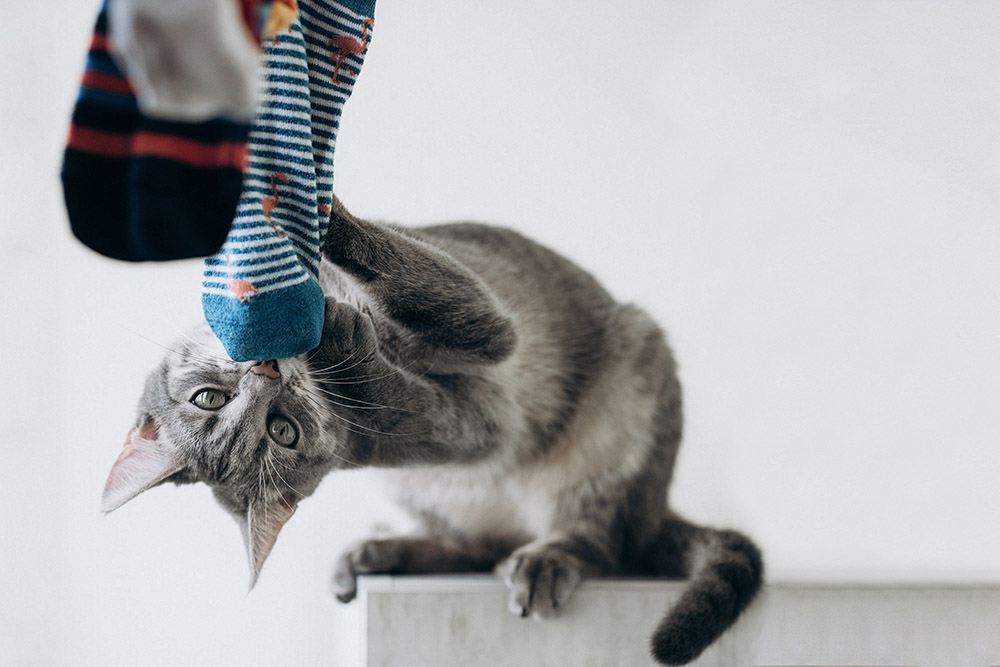
Playfulness and physical affection round out the picture. A cat that approaches willingly, rubs its face against a person, or initiates a headbutt is expressing genuine comfort and connection. That said, it is worth distinguishing between play driven by genuine contentment and play driven by boredom or under-stimulation. A cat that is not getting enough enrichment may seek out interaction out of frustration rather than happiness, which is worth addressing.
Cats Are Individuals
There is no single template for a happy cat. Some cats are naturally more demonstrative and will purr loudly, seek out laps, and initiate contact regularly. Others are quieter and more reserved, expressing contentment through proximity rather than touch, sitting nearby rather than on top of someone. Neither pattern is better or worse. The key is knowing what is normal for a specific cat and noticing when that baseline shifts.
What Makes Cats Happy
Cats are creatures of habit, and routine matters considerably. Predictability in feeding times, household activity, and social interaction reduces background stress and supports a stable emotional state. Changes to routine, new people, new animals, or disruptions to the home environment can all affect how settled a cat feels, and allowing time to adjust rather than forcing interaction tends to produce better outcomes. In order to feel happy and content, a cat must first feel safe and secure.
Environmental enrichment is another major factor. Though they do spend a considerable amount of time sleeping, snoozing, and relaxing, cats have curious minds and need outlets for natural behaviors including scratching, climbing, stalking, and pouncing. Cat trees, window perches, puzzle feeders, interactive toys, and access to safe observation points all contribute to a cat feeling engaged and stimulated rather than bored or confined. Cats that lack enrichment often develop behavioral problems that are actually expressions of frustration rather than personality.
Play is worth treating as a genuine need rather than an optional extra. Different cats have different play preferences, and figuring out what a particular cat responds to, whether that is a feather wand, a crinkle ball, or a laser pointer, makes a real difference to how much they engage. Even short, regular play sessions throughout the day have a measurable effect on mood and behavior.

Food motivation varies between cats, and for those that respond strongly to treats, occasional rewards used thoughtfully can reinforce positive interactions and strengthen the bond between cat and owner. Catnip is another tool worth knowing about. The smell of catnip triggers a euphoric response in cats that are genetically sensitive to it, roughly 50 to 70 percent of the population. Cats that do not respond to catnip may react to silvervine instead, which produces a similar effect through different chemical compounds.
The clearest sign that enrichment and routine are working is a cat that seems genuinely settled: eating well, grooming regularly, engaging with its environment, and choosing to spend time near the people in their life. Happiness in cats may be quiet, playful, or affectionate; it is rarely loud or dramatic. But once you know what to look for, it’s hard to miss.
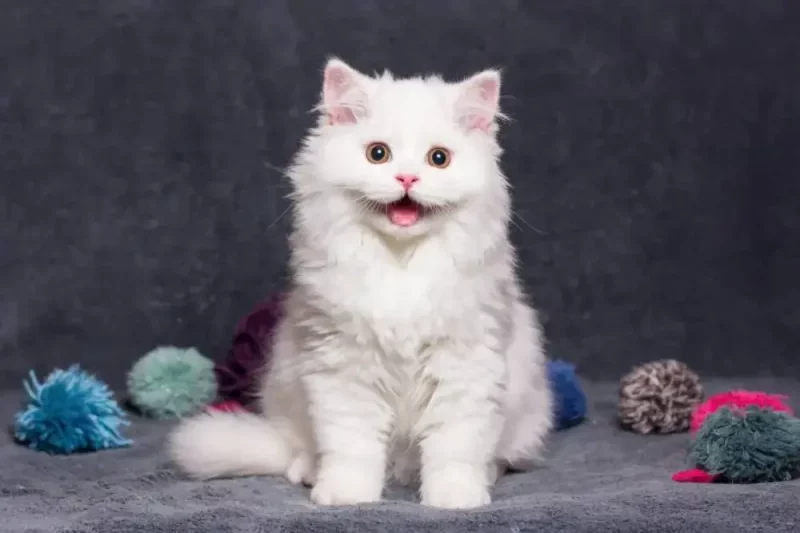
Featured Image Credit: Sviatoslav Shevchenko, Shutterstock
Did You Know?
- Our brand-new posts are rounded up and included in our weekly emails. Don’t miss out on the latest – sign up for our newsletter below!
Source: www.catster.com