A cat’s purr is one of the most comforting sounds on earth — and one of the most misunderstood. While most people assume purring means a cat is happy, the reality is far more layered. Cats purr for a surprisingly wide range of reasons, including some you might never expect.
How Cats Actually Make the Sound
Purring is produced by rapid, rhythmic contraction and relaxation of the laryngeal (voice box) muscles, which cause the glottis — the part of the larynx that surrounds the vocal cords — to dilate and constrict with each breath. This happens about 25 to 150 times per second, creating that characteristic rumbling vibration. Unlike roaring big cats, domestic cats can purr continuously on both the inhale and exhale.

Happiness Is the Most Common Reason
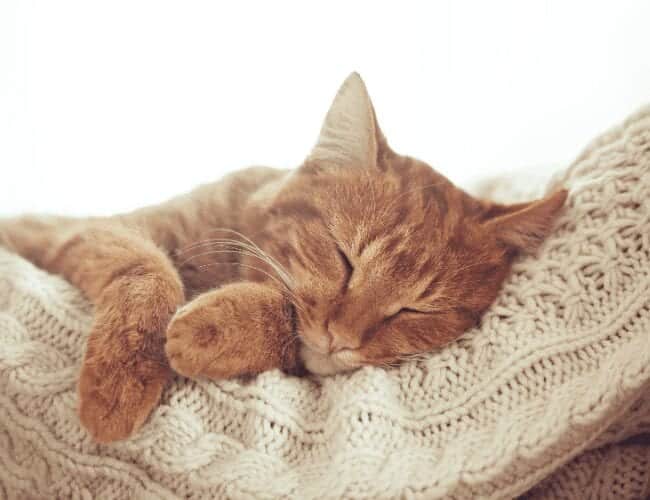
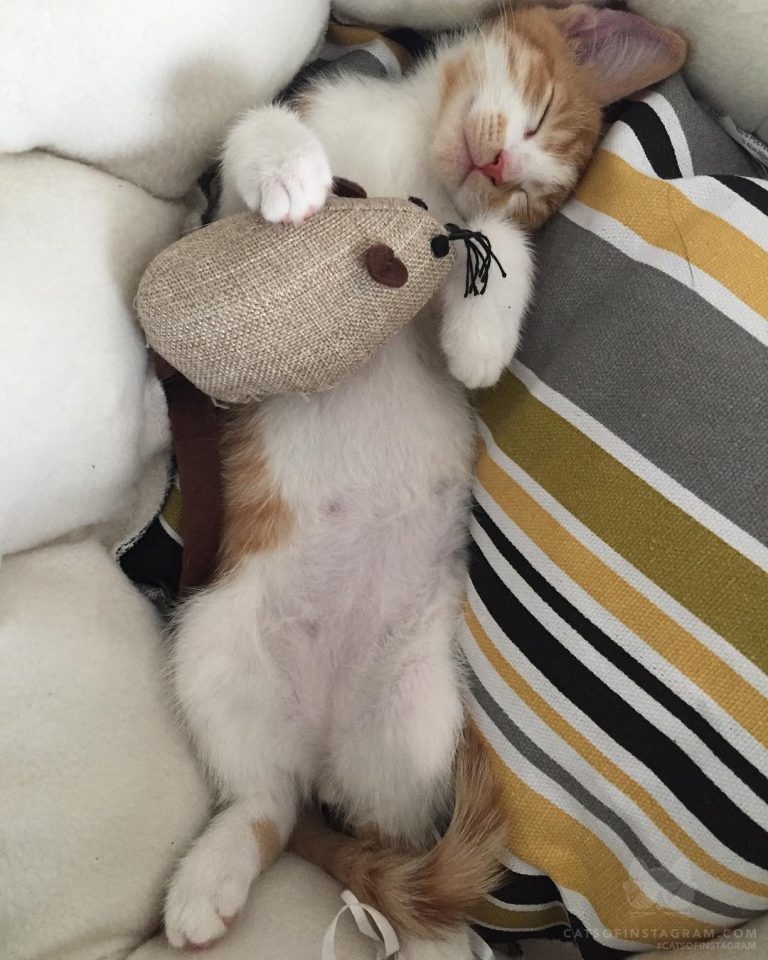
Yes, contentment does trigger purring. A cat kneading your lap while rumbling away is almost certainly communicating deep satisfaction. Nursing kittens purr while feeding, and mother cats purr back — establishing purring as a bonding signal right from birth.

Cats Also Purr When Stressed or Hurt
Cats frequently purr during stressful vet visits, in pain, or even while giving birth. Researchers think this “solicitation purr” is self-soothing behavior. The vibrations may also stimulate the release of endorphins, acting as a built-in pain management system — which is remarkable when you think about it.

The Healing Frequency Theory
Feline purring frequencies (25–50 Hz) fall within a range known to promote bone density and accelerate tissue healing. Some scientists speculate that cats evolved to purr partly as a physiological recovery mechanism — lying still for long periods during rest could weaken bones, and low-frequency vibration counteracts that. It may explain why cats recover from injuries remarkably well.
The “Feed Me” Purr
Researchers at the University of Sussex identified a specific high-urgency purr cats use when they want food. This solicitation purr embeds a higher-pitched cry within the normal rumble — it triggers a caregiving instinct in humans and is very hard to ignore. Your cat has literally evolved a sound designed to get your attention at breakfast time.

The Bottom Line
Purring is equal parts communication, comfort, and possibly self-healing. Whether your cat is blissfully content or quietly working through anxiety, that rumble is telling you something worth listening to. It is one of nature’s most elegant multi-purpose signals.