

The moment when a cat goes from contentedly purring under your hand to suddenly biting it is so common it has its own name: petting-induced aggression, or love bites. This behavior isn't random — cats give a series of clear warning signals before they bite, but those signals are subtle enough that many owners miss them entirely. Understanding what overstimulates cats and learning to read their pre-bite body language is the key to avoiding these jarring encounters.
Why Petting Becomes Too Much
Repetitive stroking builds up static electricity in the fur and causes a cumulative sensory overload in cats that have a lower tolerance for sustained physical contact. Even if the petting felt pleasant at first, continued stimulation of the same nerve endings eventually flips from enjoyable to irritating — similar to how a tickle can quickly become uncomfortable for a human. Some cats have a very high threshold for this and will happily be petted for hours, while others reach their limit after just a few minutes.

The Warning Signs You Might Be Missing
Before most cats bite during petting, they give clear but easy-to-miss warnings: the tail begins to flick or lash, the skin along the back twitches or ripples, the ears rotate backward or flatten, the body becomes tense, and the cat may turn their head to look at your hand. These signals can happen very quickly and often precede the bite by only a few seconds. Training yourself to watch for them — especially tail movement — will prevent the vast majority of surprise bites.
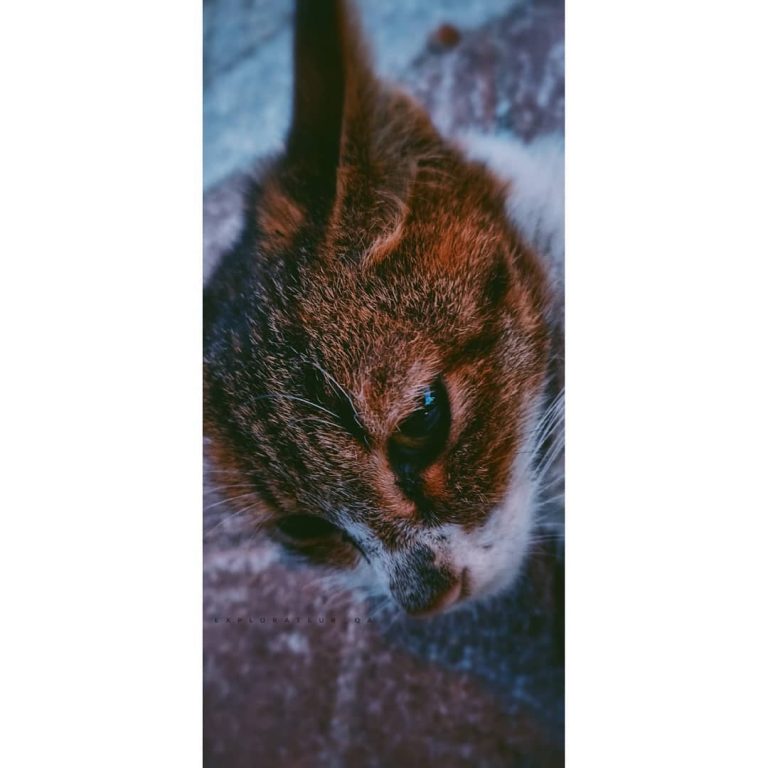
Areas Cats Are Most Sensitive About
Most cats enjoy being petted on the head, cheeks, chin, and the base of the tail, while many are sensitive or averse to having their belly, legs, or lower back stroked. The belly in particular — though irresistibly soft — is a vulnerable area cats instinctively protect, and what looks like an invitation is often actually a display of trust that doesn't include a request to be touched there. Sticking to head and cheek scritches is a reliable strategy for keeping petting sessions pleasant for both of you.

How to Respond to a Love Bite
If your cat bites during petting, the best response is to calmly and slowly withdraw your hand without pulling away sharply — a quick yank can trigger a cat's grab-and-hold reflex and make things worse. Then give your cat space and time to decompress without any punishment or scolding, which cats don't understand and which only increases stress. Over time, ending petting sessions before your cat reaches their limit — when the first tail flick appears — teaches both of you to keep interactions well within the comfort zone.

The Bottom Line
Petting-induced biting is really just your cat's way of saying "I've had enough" when their more subtle signals went unnoticed. It's not aggression or meanness — it's communication. With a little practice reading your cat's body language, you can make every petting session a genuinely enjoyable experience for both of you, with no surprise bites required.