The idea that cats are aloof and indifferent to their humans is one of the most persistent myths in popular culture — and it is not particularly well supported by science. Research into feline attachment has produced some genuinely surprising results that cat owners have probably suspected all along.
The Secure Attachment Study
A 2019 study from Oregon State University tested cats using the same “secure base” protocol used to measure attachment in human children and dogs. The results found that 65% of cats show secure attachment to their owners — nearly identical to the rate seen in dogs and human toddlers. The persistent belief that cats are purely solitary and unattached is not supported by data.
.
.
#малышифостик #безкотаижизньнета #моикоты #домашниеживотные #котики #коты #котейки #котята #домашнийзоопарк #ялюблюкотов #котытакиекоты #котыправятмиром #котыкошки #котыинстаграма #котыроссии #котынашевсе #котограм #котикиправятмиром #cats #iloveca
Cats Recognize Your Voice and Face
Studies have shown cats can distinguish their owner’s voice from a stranger’s, and orient differently toward it — though they often choose not to come when called (a choice, not an inability). Cats also show differential responses to their owner’s face in imaging studies. They know who you are specifically.

They Show Affection Differently Than Dogs
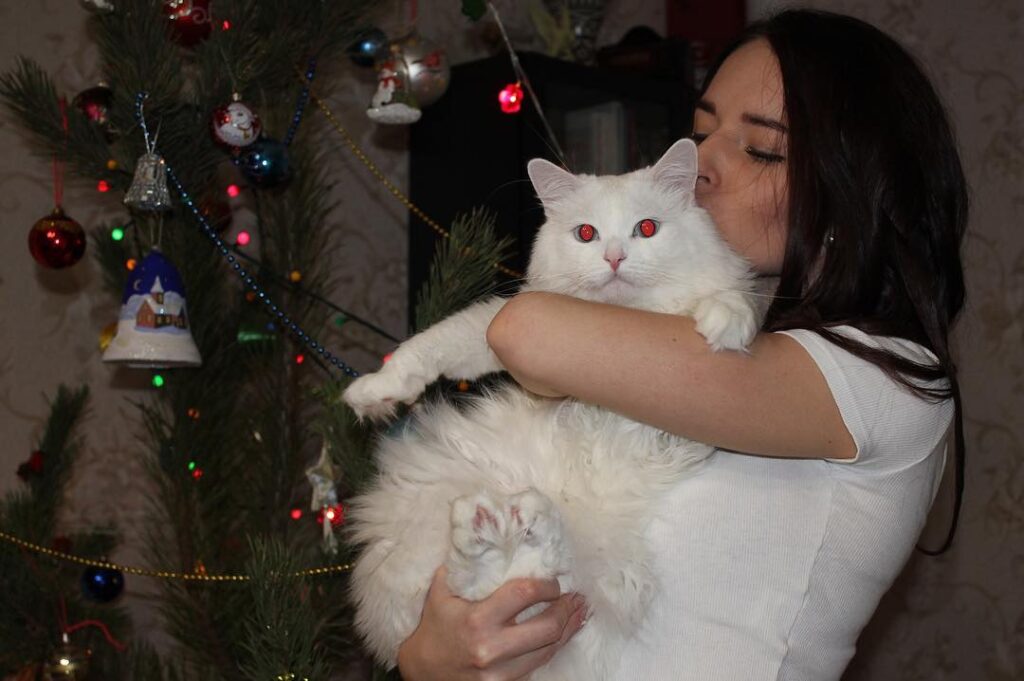
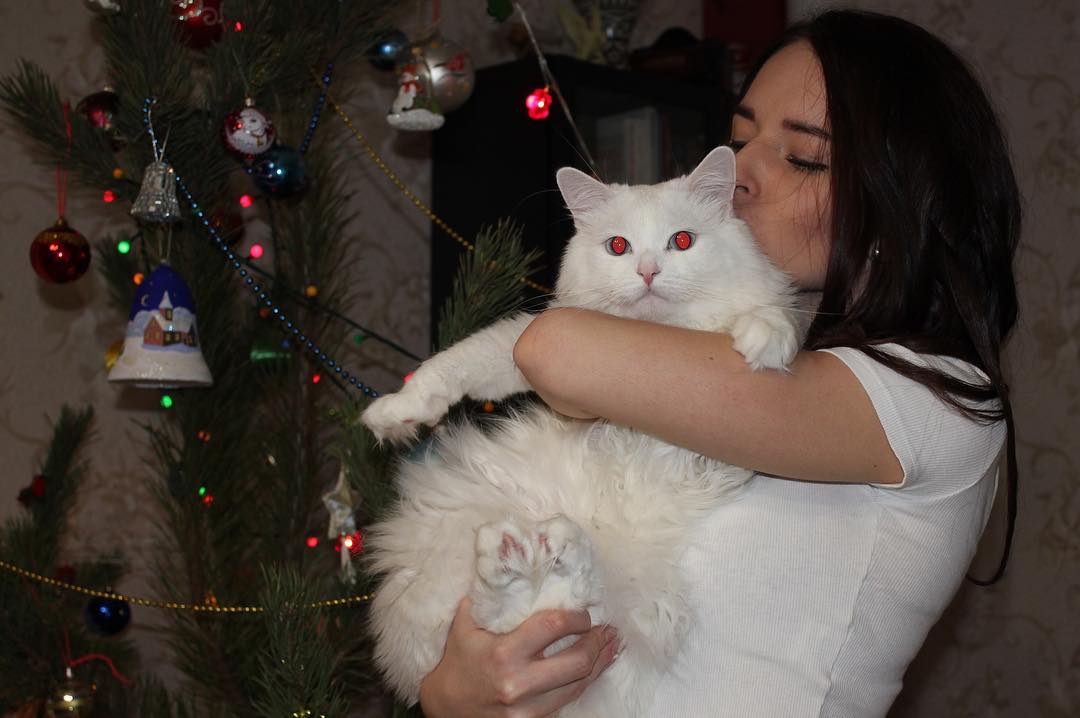
Cats express affection on their own terms and timeline: slow blinks, proximity, bringing prey, grooming you, sleeping on you, following you between rooms. These behaviors are feline expressions of trust and preference. They are not less meaningful than a dog’s exuberant greeting — they are just encoded in a different behavioral language.

Cats Miss You When You’re Gone
Research measuring stress hormones and behavior changes in cats when owners are absent shows that many cats do experience something similar to separation anxiety. Cats whose owners work long hours or travel frequently often display increased vocalization, decreased appetite, and changes in sleep. They are not as indifferent as the stereotype suggests.

The Bottom Line
Cats do form genuine, measurable emotional attachments to their owners. They express love differently from dogs — more quietly, more on their own schedule — but the attachment is real. The “cats don’t care” narrative says more about how humans misread cat behavior than about anything cats are actually doing.