It happens without warning: your serenely napping cat suddenly detonates off the couch, ricochets off walls at full speed, tears through every room, and then stops dead as if nothing happened. The zoomies — technically called Frenetic Random Activity Periods, or FRAPs — are perfectly normal, and the reasons behind them are rooted in biology.
Releasing Pent-Up Predatory Energy
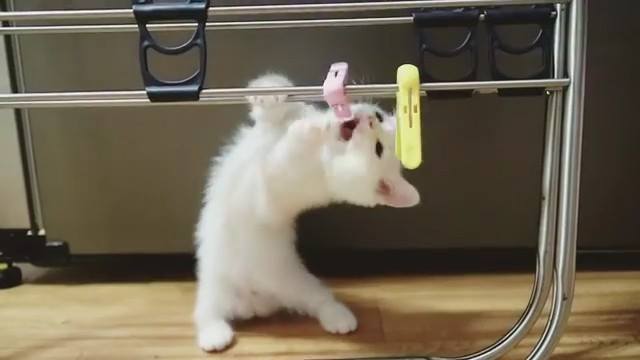
Indoor cats have all the neurological hardware of a wild predator but none of the outlets. The need to stalk, chase, and pounce does not disappear just because prey is absent. FRAPs are the pressure release valve for that built-up predatory energy. Think of it as the hunting trip your cat never got to take.
Join our group: Happy Cats
Post-Nap Activation
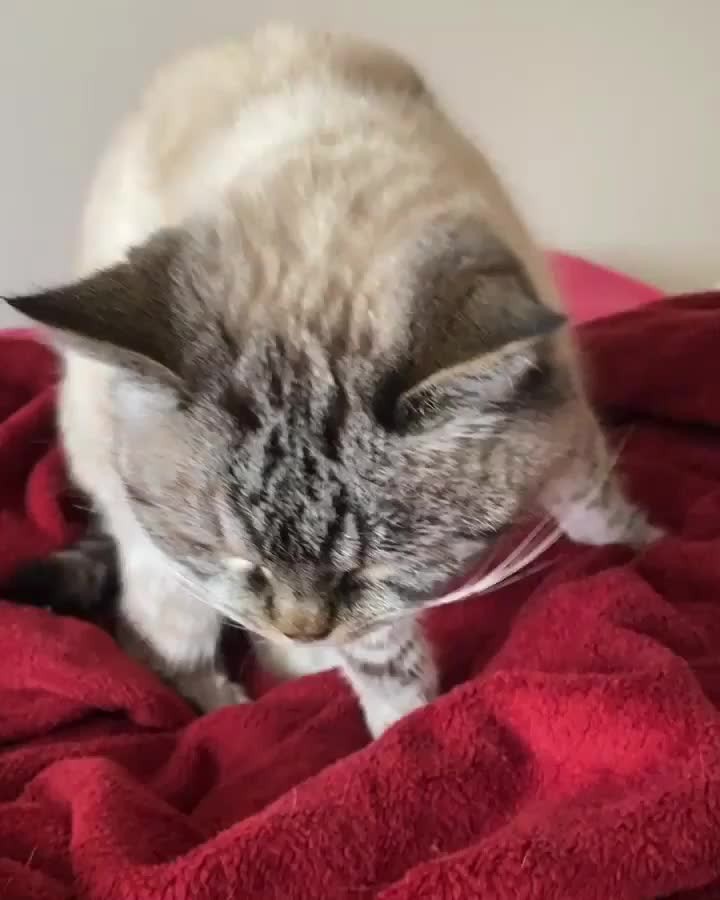
Cats often zoom immediately after waking from a deep sleep. This mirrors the pre-hunt activation behavior seen in wild cats — the body wakes up all systems at once for possible action. After hours of stillness, the nervous system resets with a burst of intense movement. It is a full-body systems check.
The Post-Litter Box Sprint
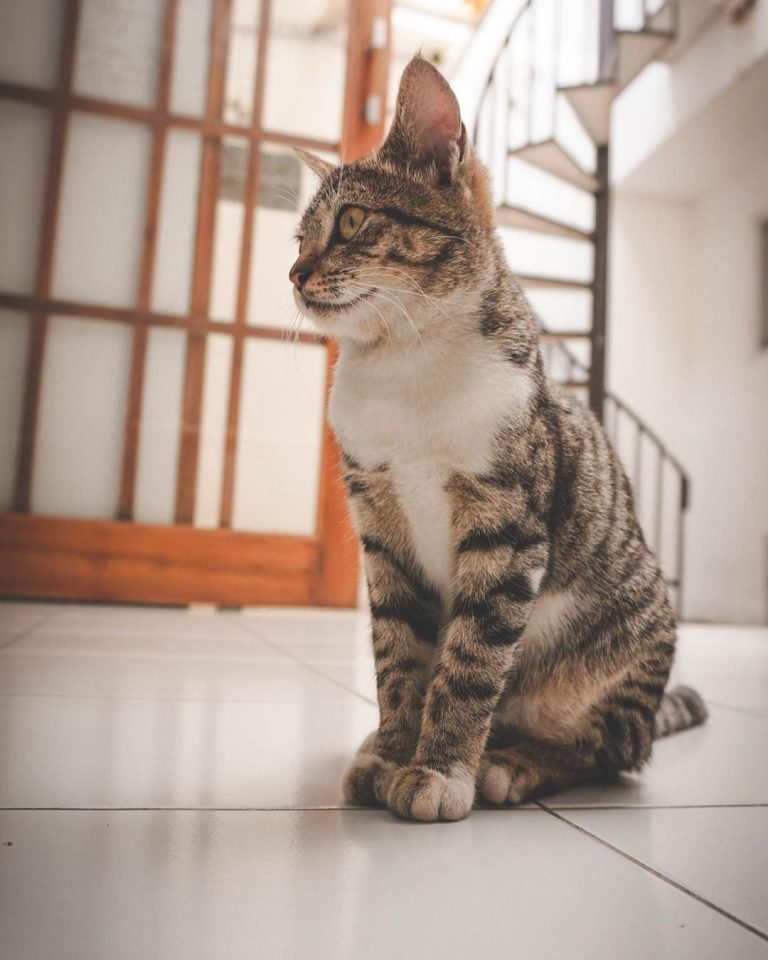
Many cats zoom specifically after using the litter box. The most credible explanation is that defecation stimulates the vagus nerve, which can trigger a rush of energy or even a brief high-like neurological response. Cats have been observed doing this in the wild — it is not unique to domestic cats or small boxes.
•Follow
Age and Environment Factor In
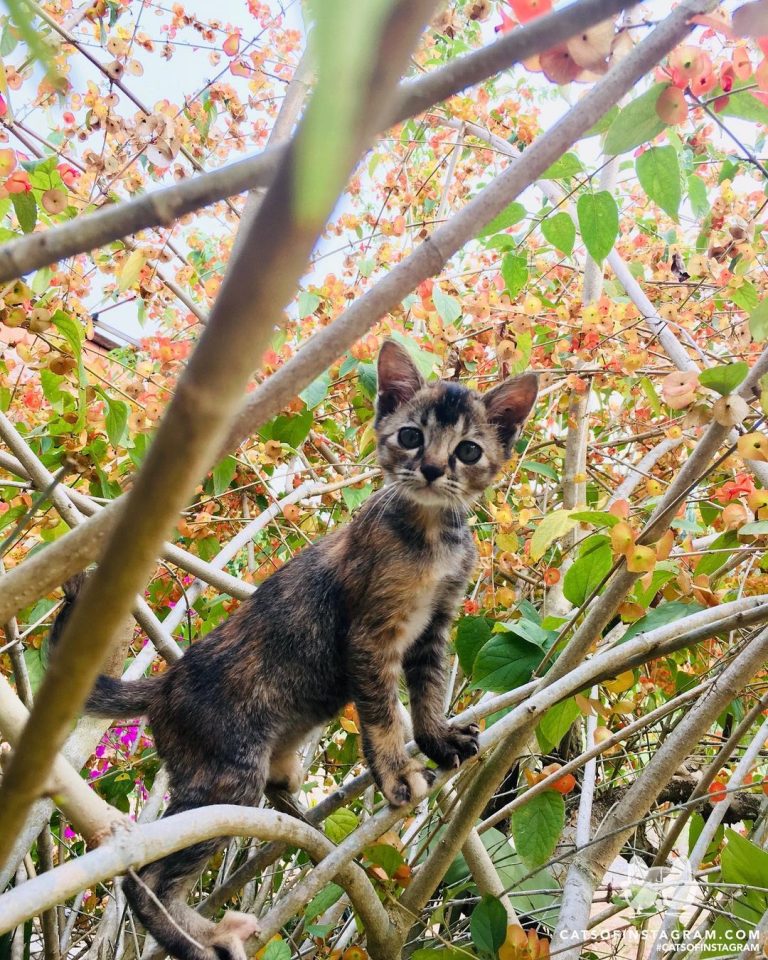
Kittens and young cats zoom far more frequently than older cats. Multi-cat households often synchronize zoomies, with one cat triggering a chain reaction. Cats who get insufficient play and mental enrichment zoom more intensely and more often. More play sessions mean fewer 3 a.m. wall-runs.
The Bottom Line
The zoomies are a feature, not a bug — a healthy outlet for a predator’s nervous system that needs regular activation. If your cat zooms frequently, try adding daily structured play with a wand toy to give that energy somewhere useful to go. Your 3 a.m. will improve dramatically.