Cats instinctively hide when they feel unwell because, in the wild, showing vulnerability is dangerous — a sick animal is an easy target for predators. Even your perfectly safe indoor cat is running the same ancient software, so when they feel pain, nausea, or illness, their first impulse is to find a quiet, enclosed space and wait it out. This hiding behavior is one of the most important signals a cat owner can learn to recognize, because it often means your cat needs veterinary attention.
The Survival Instinct Behind the Behavior
Cats are both predators and prey, and a sick or injured animal in the wild that broadcasts its weakness rarely survives long. Over millions of years of evolution, cats that hid when ill were more likely to survive long enough to recover, passing that instinct down to every domestic cat alive today. This means your cat isn’t hiding from you out of distrust — they’re following a deeply embedded biological directive that kept their ancestors alive.

Common Hiding Spots and What They Signal
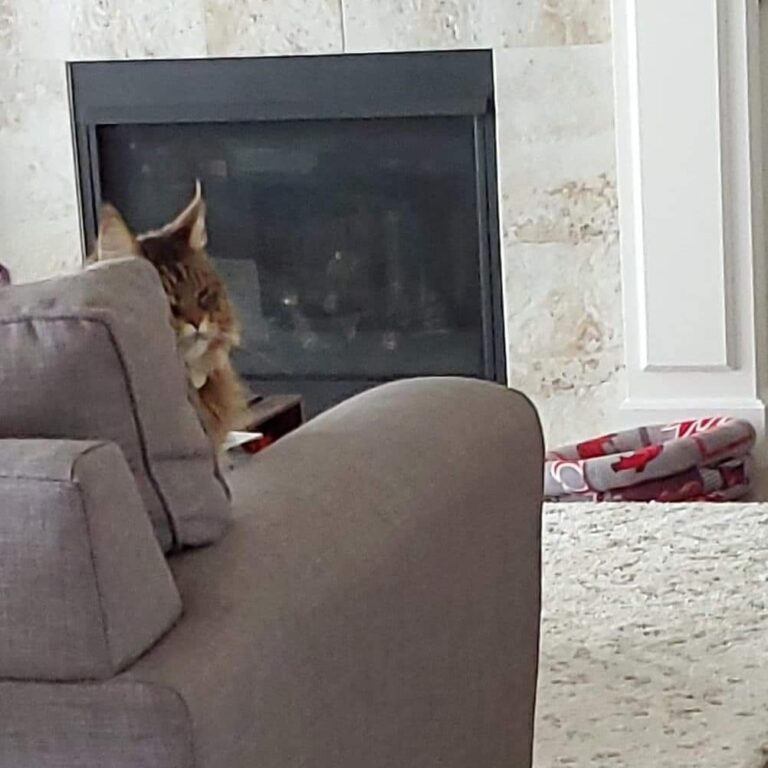
Sick cats tend to gravitate toward small, dark, enclosed spaces: under beds, inside closets, behind appliances, or in the back corners of cabinets. These spots feel defensible and calm to a cat in distress. A cat that has suddenly claimed a new hiding spot they never used before, or that stops coming out for meals and interaction, is almost always telling you something is wrong — this change in behavior is often an earlier clue than any visible physical symptom.

How to Approach a Hiding Cat
When a sick cat is hiding, forcing them out can dramatically increase their stress, which compounds whatever illness they’re dealing with. Instead, bring food, water, and a litter box close to their hiding spot to reduce the need to move, and speak to them gently to reassure them without forcing interaction. Getting down to their level and simply being present nearby, without pressure to come out, can help maintain the bond and lets you monitor their condition more easily.

When to Call the Vet
A cat that has been hiding for more than 24 hours, is refusing food and water, has labored breathing, or is completely unresponsive to your voice needs veterinary attention promptly. Cats are masters at masking illness, so by the time hiding behavior becomes obvious, the underlying condition may already be fairly serious. When in doubt, a phone call to your vet describing the behavior is always the right first step — it’s far better to check and find nothing serious than to wait too long.
The Bottom Line
Your cat hiding when sick isn’t a mystery or a personal slight — it’s a survival strategy written into their DNA over countless generations. As a cat owner, learning to notice and take seriously any sudden change in your cat’s hiding behavior could genuinely be lifesaving. Trust your instincts: if something feels off, it probably is.