Your cat headbutts your chin, rubs its cheek along the corner of the wall, buntings against your leg as you walk. Face-rubbing is one of the most constant forms of feline communication — it is a language written in scent that humans cannot read but that cats take very seriously.
Scent Gland Mapping
Cats have scent glands concentrated in the cheeks, chin, forehead, and corners of the mouth. Rubbing these areas against objects and people deposits pheromones that leave an invisible chemical message: “this is mine, this is safe, this belongs to my world.” Cats systematically re-map their environment with scent after any disturbance.

Bunting Is a Social Bonding Behavior
When a cat presses its head against you or another cat, it is called bunting. In a multi-cat household, mutual bunting creates a shared group scent profile — a chemical family signature. When your cat buntings you, it is incorporating you into that scent family. This is one of the most affectionate gestures in the feline behavioral repertoire.

Claiming New Objects
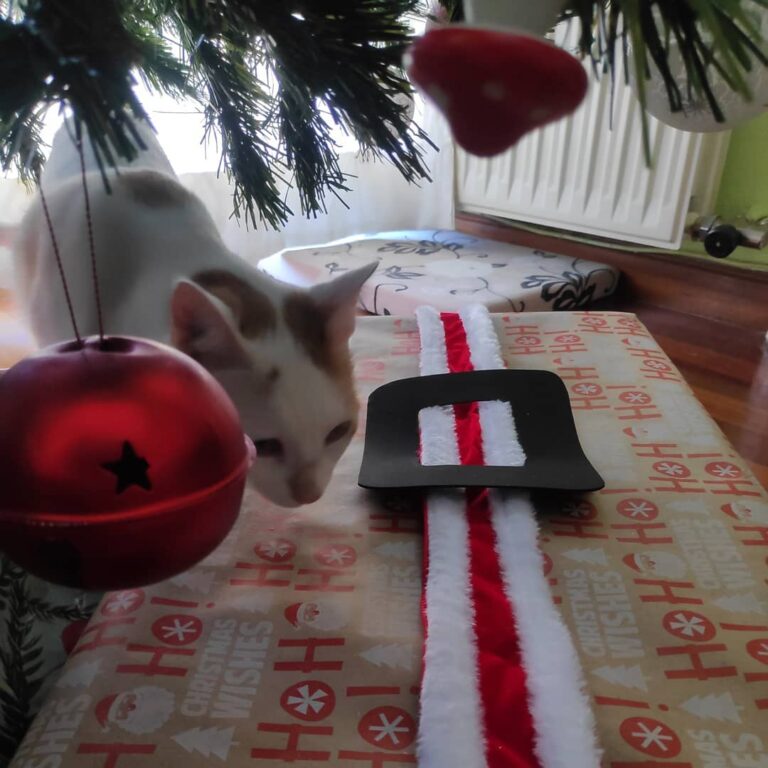
A new bag, piece of furniture, or unfamiliar item will be rubbed thoroughly within minutes of arrival. The cat is replacing the unknown foreign scent with its own familiar pheromone signature. A novel object is mildly threatening until it smells like home — face-rubbing is the fastest way to make that happen.
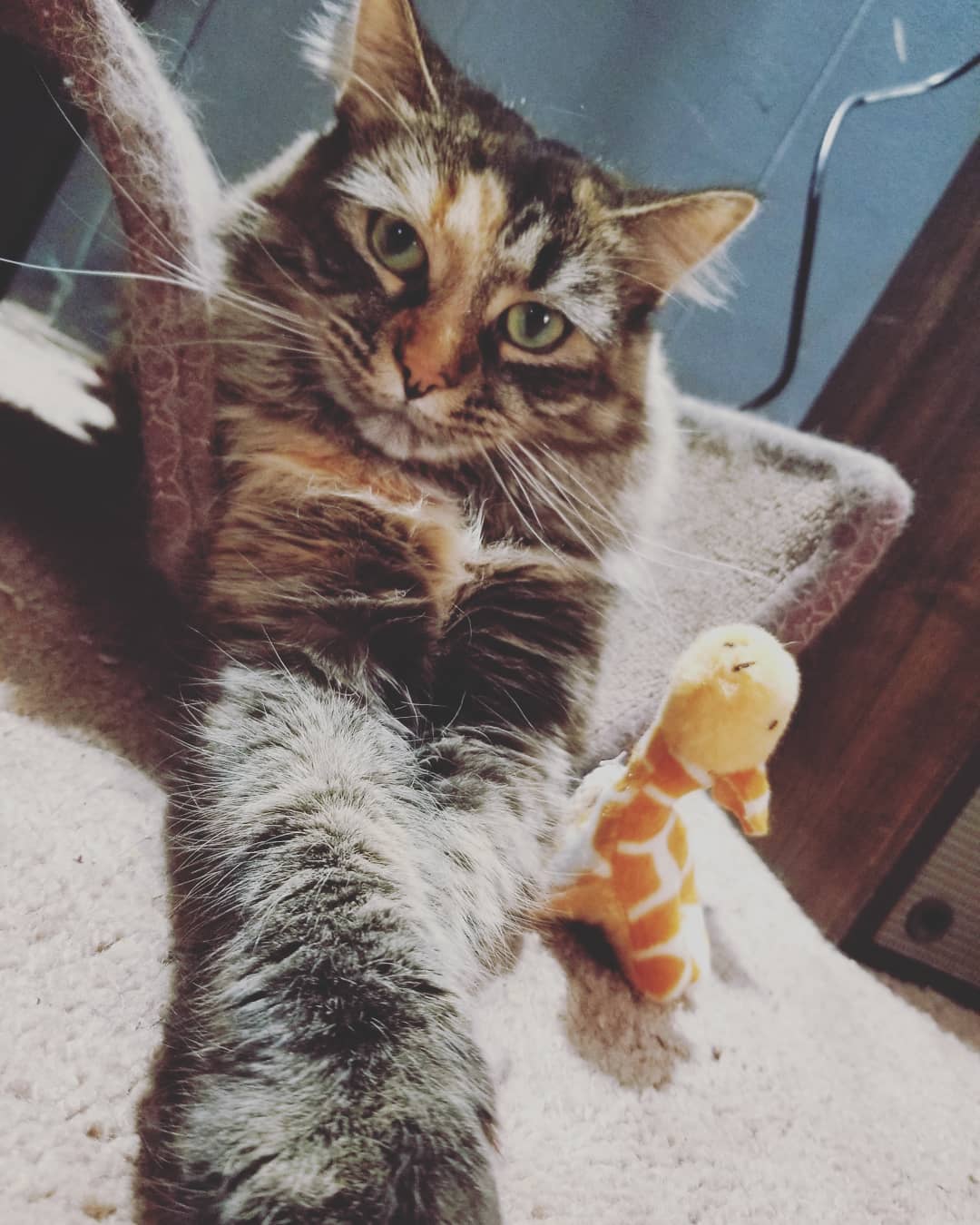
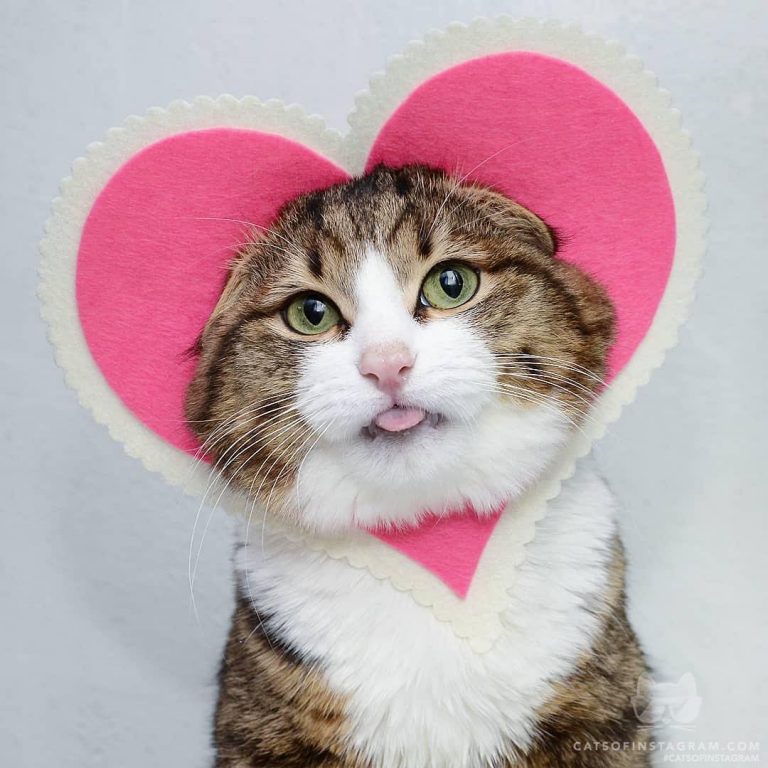
#mygirl #cats #catsofinstagram
Communication With Other Cats
Outdoor cats leave facial scent marks along regular paths and territories. Other cats who encounter these marks receive detailed chemical information: who was here, when, reproductive status, and health. It is essentially a bulletin board that your nose cannot read. Every corner-rub your cat does is posting an update.

The Bottom Line
Face-rubbing is a richly communicative, deeply affectionate behavior. When your cat rubs against you, they are not just being cute — they are actively claiming you as part of their world and telling every other cat that you’re taken. It is one of the nicest things they can do.